Dehumidifier for Basement: Sizing, Buying Guide, and Top Picks
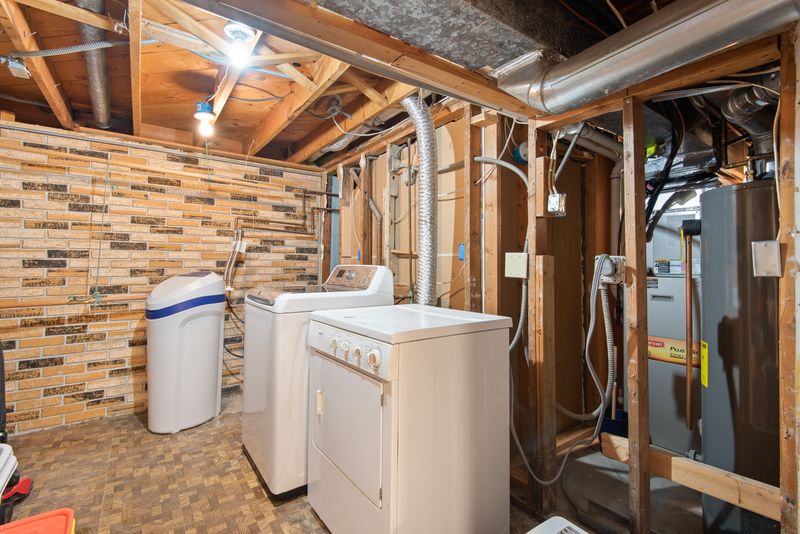
Basements are naturally prone to high humidity. They are below grade, surrounded by soil that conducts moisture, often cooler than the rest of the house, and frequently connected to crawlspaces and sump pits. High basement humidity leads to mold growth, musty odors, structural damage to wood framing and drywall, and degraded air quality that affects the entire home.
A properly sized dehumidifier is one of the most effective tools for controlling basement moisture. This guide explains how to choose the right unit for your space, understand the capacity ratings, and select drainage options that make operation as hands-free as possible.
Understanding Pint Capacity Ratings
Dehumidifiers are rated by how many pints of water they can remove from the air per day under standard test conditions. Higher pint ratings mean more moisture removal capacity.
Important note on 2019 DOE regulation change: In 2019, the Department of Energy changed the testing conditions used to rate dehumidifiers. The new standard uses lower temperatures (65°F, 60% RH) that are more representative of real-world basement conditions. This means that a “50-pint” dehumidifier sold after 2019 performs comparably to a 70-pint unit sold before 2019. When comparing units, check the test standard year — older “70-pint” models and newer “50-pint” models may have similar real-world performance.
Sizing Your Dehumidifier
Proper sizing depends on two factors: the size of the space and the severity of the moisture problem.
Basement Size Guidelines
Mildly damp basement (musty smell, small water stains on walls):
| Space Size | Recommended Capacity |
|---|---|
| 500–1,000 sq ft | 30–35 pint |
| 1,000–1,500 sq ft | 40–45 pint |
| 1,500–2,000 sq ft | 50 pint |
| 2,000–2,500 sq ft | 50–60 pint |
Moderately wet basement (wet walls, water stains, pooling after rain):
| Space Size | Recommended Capacity |
|---|---|
| 500–1,000 sq ft | 40–45 pint |
| 1,000–1,500 sq ft | 50 pint |
| 1,500–2,000 sq ft | 60–70 pint |
| 2,000–2,500 sq ft | 70–80 pint |
Very wet basement (seepage, open crawlspace connection, persistent standing water):
Size up significantly and address the source of water intrusion — a dehumidifier alone cannot solve a structural water intrusion problem.
Temperature Considerations
Most standard portable dehumidifiers perform poorly below 60°F. If your basement is cooler than that in winter, look for:
- Low-temperature rated dehumidifiers: Some units are designed to operate down to 41°F without frost buildup, with auto-defrost cycles.
- Desiccant dehumidifiers: These use a desiccant wheel rather than a refrigeration cycle and operate effectively at temperatures as low as 33°F.
For most homes, the basement warms above 60°F during the humid summer months when dehumidification is most needed, so a standard unit is usually adequate.
Drainage Options
The biggest operational decision is how the dehumidifier will drain the water it removes. Running in a basement all summer, a properly sized unit may remove 15–40 gallons of water per day — far too much to empty manually.
Gravity Drain
Most portable dehumidifiers have a drain hose outlet that allows a standard 5/8” garden hose or drain hose to drain water by gravity to a nearby floor drain, sump pit, or utility sink.
This is the preferred option when a floor drain or sump pit is within reach. The unit runs continuously without needing to be emptied, and the drain operates passively.
Setup: Connect a drain hose (typically not included, sold separately) to the drain outlet on the unit. Route to the floor drain. The hose must slope continuously downward to the drain — loops or uphill sections prevent drainage.
Internal Pump
Some dehumidifiers include an internal condensate pump that can push water upward through a smaller pump hose to a drain that is above the unit (such as a laundry sink or window-level drain). This is useful when no floor drain is available.
Pump-equipped dehumidifiers cost $30–$80 more than gravity-drain-only models of equivalent capacity. For basements without floor drains, the pump option is a significant convenience upgrade.
Bucket Drainage
All dehumidifiers include a water collection bucket as the baseline drainage method. Buckets range from 1.5 to 2 gallons. When the bucket fills, the unit pauses automatically until emptied.
In a moderately humid basement, a bucket may fill within hours, requiring multiple daily empties during peak humidity. Bucket drainage is adequate only for occasional or supplemental use. For a continuously running basement dehumidifier, gravity drain or pump drainage is strongly recommended.
Key Features to Look For
Auto-restart after power outage: Essential for basement units. If power is interrupted and restored, the unit should restart automatically rather than waiting for manual restart.
Continuous operation mode: Allows the unit to run regardless of current humidity until manually stopped — useful during initial dryout of a wet basement.
Humidistat: Allows you to set a target relative humidity (typically 45–55% for basements). The unit runs until the target is reached, then cycles as needed to maintain it.
Auto-defrost: Automatically defrosts the coils when frost buildup occurs, preventing damage and maintaining operation in cooler conditions.
Energy Star certification: Look for Energy Star certified models — they are significantly more efficient than non-certified units at comparable capacity.
Top Dehumidifier Recommendations
Best Overall: Frigidaire FFAD5033W1 50-Pint
Capacity: 50 pint (post-2019 DOE standard) Best for: 1,000–1,500 sq ft basements with moderate humidity
The Frigidaire 50-pint is consistently rated among the top basement dehumidifiers for its reliability, quiet operation, and Energy Star certification. It includes continuous drain outlet, washable filter, and auto-restart. Widely available and well-supported.
Price: $230–$280
Best with Built-In Pump: Waykar 4,500 Sq Ft Dehumidifier
For larger basements or those without floor drains, a unit with an integrated pump allows drainage up to 16 feet, providing flexibility in placement and drain routing.
Price: $180–$240
Best for Very Wet Basements: Santa Fe Advance2
The Santa Fe Advance2 is a high-capacity whole-basement dehumidifier designed for permanently installed use. At 90 pints per day, it handles large wet basements and crawlspaces. It is ENERGY STAR certified, has a high minimum operating temperature, and is designed for continuous operation with a 6-foot drain hose.
Price: $1,000–$1,400 (professional installation recommended)
Crawlspace Dehumidification
If your basement connects to a crawlspace, the crawlspace humidity affects the entire home. Crawlspaces typically require their own dehumidifier rather than relying on airflow from the basement.
Crawlspace-specific dehumidifiers (like the Aprilaire 1820 or Santa Fe Advance) are designed for low-clearance installation, high moisture loads, and continuous drain operation. They are more expensive than portable basement units but are engineered for the demanding environment of a vented or partially conditioned crawlspace.
Encapsulating the crawlspace (sealing the dirt floor and walls with a vapor barrier and closing vents) dramatically reduces humidity and makes the dehumidifier’s job much easier. Encapsulation is often the most cost-effective single step for reducing basement and crawlspace moisture problems.
Maintenance
- Clean the air filter monthly (most are washable — rinse, air dry, reinstall)
- Empty the bucket promptly if using bucket drainage
- Inspect the drain hose annually for kinks or blockages
- Clean the coils annually with a vacuum brush attachment (no water)
- Replace the unit if the compressor fails and the unit is more than 5 years old — repair is rarely cost-effective
A properly sized dehumidifier with continuous gravity drainage and a clean filter is an extremely low-maintenance appliance that protects your basement and your home’s air quality season after season.

ThermalTechPro Editorial Team
Independent trade-focused editorial team