Best HVAC Refrigerant Leak Detectors for 2026
Quick answer
For a primary 2026 service tool, shortlist an electronic detector whose current manufacturer documentation names the refrigerants you handle, then compare sensor life, moving-probe sensitivity, filters, batteries, and replacement parts. The Fieldpiece DR82 is the strongest general-purpose specification match here; the D-TEK Stratus better fits technicians who need cloud-hunting and interchangeable sensor options.
Source note: Updated August 7, 2026 from current manufacturer product pages and EPA Section 608 guidance. This is a specification-based editorial comparison, not a claim of hands-on testing. Availability, firmware, refrigerant lists, prices, and certifications can change.
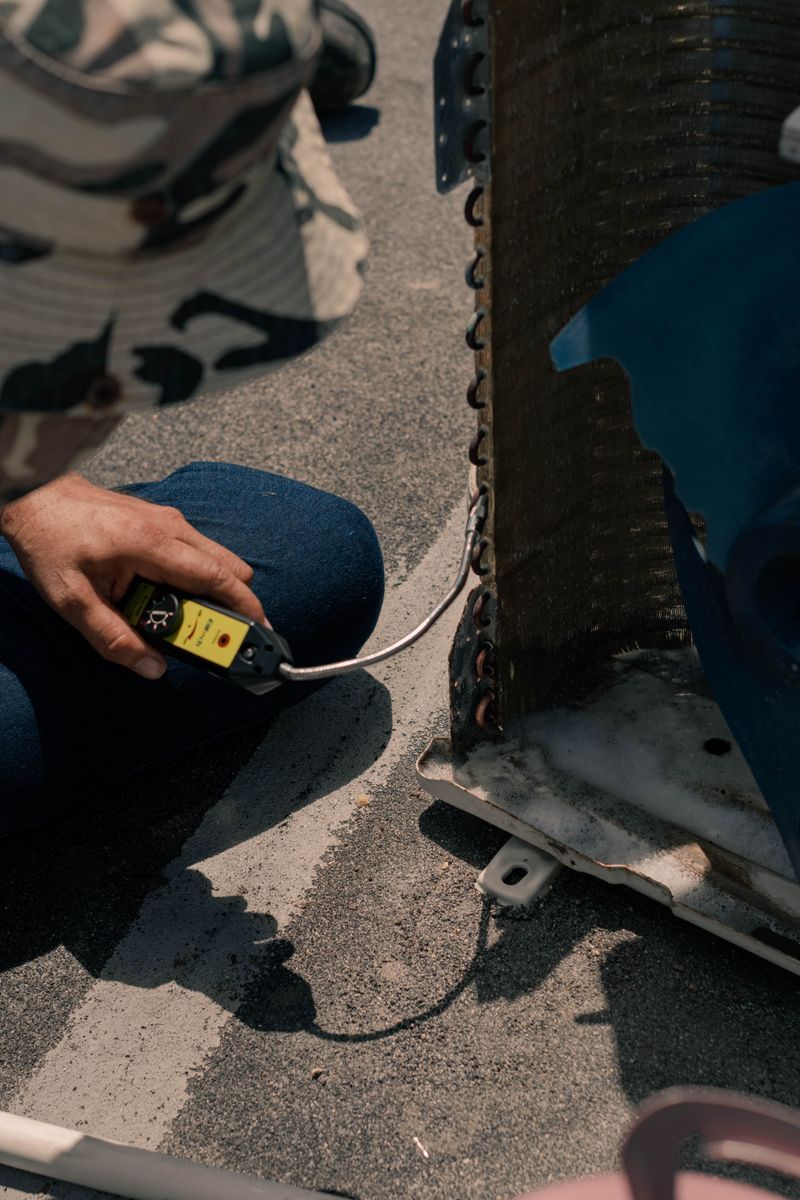
A refrigerant leak detector is only useful when it matches the refrigerant, sensitivity target, and field procedure. With R-454B and R-32 appearing in newer air conditioners and heat pumps, technicians need to confirm A2L compatibility on current manufacturer documentation, not assume an older detector will respond appropriately.
This guide compares the best HVAC refrigerant leak detectors for 2026, with picks for full-time technicians, commercial HVAC/R work, budget-conscious apprentices, and shops still handling legacy R-410A equipment.
How these picks were selected: We compared published sensor type, refrigerant compatibility, stated sensitivity, sensor life, battery, environmental protection, filters, and serviceability. We did not rank retailer star ratings or claim first-hand field testing. Confirm the latest manual and compatibility chart before purchase.
Quick Picks
| Use Case | Shortlist | Why It Stands Out | Check Before Buying |
|---|---|---|---|
| Daily residential service | Fieldpiece DR82 | Infrared sensor, A2L listing, 10-year typical sensor life | Refrigerant list and replacement filters |
| Mixed commercial HVAC/R | INFICON D-TEK Stratus | Pinpoint and cloud-hunting modes, optional sensors | Included sensor and any optional sensor cost |
| Heated-diode preference | Fieldpiece DR58 | Fast response, rechargeable battery, A2L listing | 300-hour typical sensor life and replacement access |
| Lower-cost shortlist | NAVAC NML1 | Compact semiconductor option with R-32/R-454B listing | Current price, filters, warranty, and sensitivity target |
| Simple heated-diode backup | Testo 316-3 | One-button operation, published 0.15 oz/year sensitivity | Exact A2L refrigerant chart and replacement sensor cost |
Six-Point Purchase Check
- List every refrigerant family you service now and expect during the tool’s useful life.
- Verify those refrigerants in the current manual or compatibility chart for that exact model.
- Compare moving-probe sensitivity, not only the most favorable stationary laboratory figure.
- Price the sensor, filters, batteries, calibration or test reference, and downtime—not only the detector.
- Confirm how the tool behaves around oil, water, cleaners, wind, and changing background concentration.
- Check the return policy and parts availability before making it the only detector on the truck.
What Matters in a Refrigerant Leak Detector
Before buying, match the detector to the refrigerants and systems you actually service.
A2L refrigerant compatibility: Newer residential HVAC equipment commonly uses R-454B or R-32. Any primary service detector you buy in 2026 should clearly list compatibility with the refrigerants you see in the field.
Sensor type: Infrared sensors usually last longer and are less likely to react to oil, moisture, or soap bubbles. Heated diode and semiconductor sensors can be very sensitive, but they may need more frequent sensor replacement and can be more affected by contaminants.
Sensitivity: Look for a detector that can find small leaks, not just obvious leaks at oily joints. Many professional detectors advertise sensitivity around 0.03 to 0.15 oz/year, depending on sensor technology and refrigerant.
Battery and serviceability: Full-time technicians should look for rechargeable batteries, replaceable filters, replaceable sensors, and a probe that reaches coils, service valves, and tight cabinet corners.
False-positive control: A detector that alarms constantly around coil cleaner, moisture, or oil residue slows the job down. Good auto-zero behavior and multiple sensitivity levels matter in real service conditions.
1. Fieldpiece DR82: Best Overall
The Fieldpiece DR82 is the strongest all-around choice for residential and light commercial technicians who want one primary leak detector for daily service.
It uses an infrared sensor with sensitivity better than 0.03 oz/year, according to Fieldpiece, and is designed to detect CFC, HCFC, HFC, HFO, and blended refrigerants. Fieldpiece also lists the DR82 as A2L compatible, which makes it a practical choice for newer R-454B and R-32 systems.
The main advantage is long-term usability. The infrared sensor is rated for a long service life, and the tool is built with a backlit display, numerical leak indication, audible alarm, LED tip, replaceable filter tips, and an IP54-rated housing.
Best for: Full-time residential service technicians, commissioning techs, and anyone who wants a professional detector that should stay useful through the A2L transition.
2. INFICON D-TEK Stratus: Best Premium Detector
The INFICON D-TEK Stratus is a premium detector for technicians who chase difficult leaks in larger systems, mechanical rooms, or commercial HVAC/R work.
Its standout feature is the combination of cloud-hunting mode and pinpoint mode. Cloud hunting helps locate the general area of a leak when refrigerant has dispersed through a cabinet or equipment room. Pinpoint mode then narrows the source down to the fitting, coil section, valve, or braze joint.
INFICON lists the included refrigerant sensor as compatible with standard refrigerants and A2L semi-flammables. Optional sensors can expand the tool for CO2 or flammable refrigerant work, which is useful for technicians who service mixed HVAC/R accounts.
Best for: Commercial HVAC/R technicians, supermarket refrigeration work, VRF service, and shops that want one high-end detector with room to expand.
3. Fieldpiece DR58: Best Heated Diode Detector
The Fieldpiece DR58 is the heated diode sibling to the DR82. It is also listed by Fieldpiece as A2L compatible, with sensitivity better than 0.03 oz/year and detection for HFC, CFC, HCFC, HFO, H2N2 tracer gas, and blends.
Heated diode detectors respond quickly and can be easier to use when you want to hold the probe near a suspected leak area and watch the alarm response. The tradeoff is sensor wear. Heated diode sensors generally have a shorter life than infrared sensors, so filter and sensor care matter.
The DR58 has an 18-hour rechargeable battery, numeric leak indication, bar graph display, manual or automatic zeroing, and a lighted tip.
Best for: Techs who like a fast heated diode response and want a modern A2L-compatible Fieldpiece detector.
4. NAVAC NML1: Best Value
The NAVAC NML1 is one of the better values for apprentices, maintenance teams, and contractors who need more than one detector on the truck without buying premium tools for every technician.
NAVAC lists the NML1 as compatible with CFC, HCFC, HFC refrigerants and blends, including R-32 and R-454B. It uses a semiconductor sensor, has an advertised response time of three seconds or less, and detects leaks down to 0.1 oz/year for R-134a.
The 15.7-inch probe, rechargeable battery, auto calibration, and compact body make it practical for routine residential service. It does not feel as advanced as the DR82 or D-TEK Stratus, but it covers the basics well.
Best for: Apprentices, maintenance departments, budget-conscious residential techs, and shops buying multiple backup detectors.
5. Testo 316-3: Simple Heated-Diode Backup
The Testo 316-3 is a straightforward refrigerant detector for technicians who still do a lot of R-22, R-134a, R-404A, R-410A, and R-507 work.
Testo lists sensitivity at 4 g/year, or about 0.15 oz/year, and notes compliance with EN 14624:2012 and SAE J1627.
Testo now labels the 316-3 A2L compliant and publishes a separate A2L compatibility chart. Its main technical-data list still emphasizes CFC, HFC, and HCFC refrigerants, so check the chart for the exact R-32, R-454B, or other refrigerant you expect to detect rather than relying on the general label alone.
Best for: Shops that want a simple heated-diode backup and have confirmed their exact refrigerants against Testo’s current chart.
Infrared vs. Heated Diode vs. Semiconductor
There is no single sensor type that wins every situation.
If you need to choose the method and diagnostic stage before comparing products, use our refrigerant leak detector types guide. It covers electronic sensors, ultrasonic searching, bubble confirmation, UV dye, compatibility checks, and service handoff.
Infrared leak detectors are generally the best choice for a primary professional tool. They tend to have longer sensor life and better resistance to false alarms from oil, moisture, and soap solution.
Heated diode detectors are very sensitive and responsive, but their sensors wear over time. They are still popular because many technicians like how quickly they react near a leak source. The Fieldpiece DR58 is a modern example.
Semiconductor detectors are usually more affordable. They can work well for routine service, but they may require more careful use around contaminants and changing humidity.
If this is your only detector, buy an A2L-compatible infrared model if your budget allows. If you already own a good infrared detector, a heated diode or value semiconductor unit can make sense as a backup.
How to Use a Leak Detector Correctly
Even the best detector gives poor results if the procedure is sloppy. Use this basic workflow:
Begin with a valid diagnostic condition rather than assuming every iced coil or low pressure means lost charge. The AC refrigerant leak symptoms workflow shows how to separate airflow evidence, charge evidence, and actual leak-location evidence.
- Confirm system pressure. A nearly empty system may not have enough refrigerant pressure to detect. Follow manufacturer procedures and EPA rules before adding trace refrigerant or pressurizing with nitrogen.
- Move slowly. Sweep the probe around suspected joints, service valves, coil bends, and brazed connections at the speed recommended by the detector manufacturer.
- Start on high sensitivity. Use high sensitivity to find the area, then reduce sensitivity or use pinpoint mode to isolate the source.
- Avoid contaminating the probe. Do not drag the tip through oil, water, insulation, coil cleaner, or debris.
- Verify the leak. Once the detector alarms, confirm with bubbles, visual oil evidence, pressure decay testing, or the service procedure required by your shop.
For homeowners reading this: refrigerant leak detection is not a DIY repair path. Refrigerant handling requires proper certification, and a leak usually means the system needs professional repair.
Buying Recommendation
For most HVAC technicians in 2026, the Fieldpiece DR82 is the best first choice because it combines A2L compatibility, strong sensitivity, infrared sensor life, and field-friendly build quality.
Choose the INFICON D-TEK Stratus if you do more commercial HVAC/R work or want premium leak hunting modes. Choose the Fieldpiece DR58 if you specifically prefer heated diode response. Choose the NAVAC NML1 if budget matters and you need R-32/R-454B compatibility at a lower price.
The refrigerant transition has made leak detection more important, not less. A detector that worked fine for old R-410A service may not be the right primary tool for A2L-era equipment. Before buying, check the manufacturer’s current refrigerant compatibility list and make sure the tool matches the systems you expect to service this year.
Manufacturer Sources and Update Note
Specifications were rechecked on August 7, 2026 against the current product information for the Fieldpiece DR82, Fieldpiece DR58, INFICON D-TEK Stratus, NAVAC NML1, and Testo 316-3. Certification and handling context comes from the EPA Section 608 technician certification requirements. Always use the detector manual and equipment manufacturer’s service procedure for the actual system.
Match the detector to the rest of the service workflow
These guides connect refrigerant compatibility, recovery-side tools, system notes, and homeowner safety boundaries.
- R-32 vs. R-410A vs. R-454B
Review refrigerant characteristics before checking a detector compatibility chart.
- HVAC manifold gauge sets
Compare pressure-side service tools separately from electronic leak detection.
- HVAC vacuum pump guide
Understand where evacuation tools fit after an authorized repair.
- HVAC maintenance log
Record symptoms, refrigerant type, detector result, repair, and follow-up date without storing personal data.

ThermalTechPro Editorial Team
Independent trade-focused editorial team