Boiler vs. Furnace: Which Heating System Is Right for Your Home?
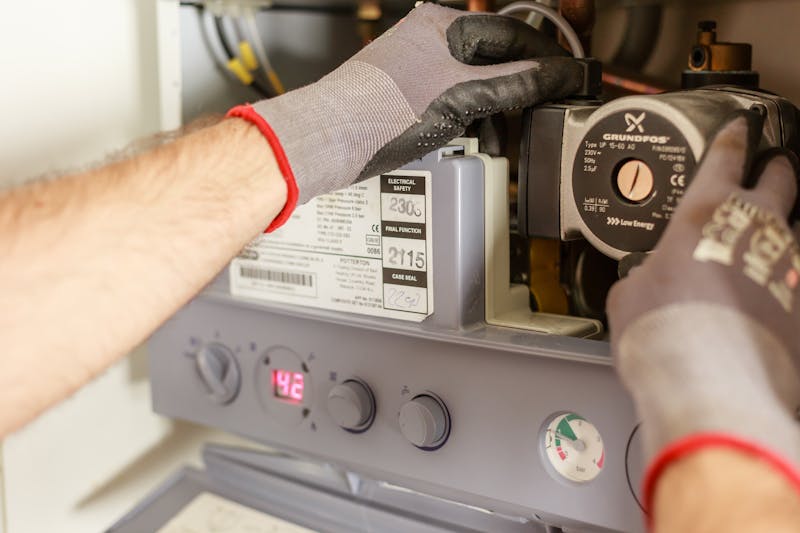
Boilers and furnaces are the two dominant central heating systems in North American homes, but they work in fundamentally different ways. A furnace heats air and distributes it through ducts. A boiler heats water and distributes it through pipes to radiators, baseboard heaters, or radiant floor systems.
The choice between them — or more commonly, understanding the system you already have — affects your comfort, energy costs, and maintenance requirements for the life of the system.
How Each System Works
Furnaces (Forced Air)
A furnace burns fuel (natural gas, propane, oil) or uses electric resistance to heat a metal heat exchanger. A blower fan pulls room air over the hot heat exchanger and pushes the warmed air through a duct network that distributes it to every room through registers in floors, walls, or ceilings.
Forced air systems also provide central air conditioning — the same ductwork used for heating carries cooled air in summer when an AC unit or heat pump is connected to the system.
Boilers (Hydronic Heating)
A boiler burns fuel or uses electricity to heat water, then circulates the hot water through a piping system. The hot water delivers its heat to the living space through:
- Radiators: Cast iron or steel radiators in each room
- Baseboard heaters: Finned-tube units along baseboard level that radiate heat into rooms
- Radiant floor systems: Plastic tubing embedded in floors that radiates heat from the floor surface upward
Hot water returns to the boiler for reheating in a continuous loop. Unlike steam systems (which are older and less common), modern hydronic systems circulate water at lower temperatures using circulator pumps rather than steam pressure.
Comfort: How Heat Delivery Differs
This is where the two systems diverge most noticeably in the living experience.
Forced Air Comfort
Forced air delivers heat quickly but unevenly. When the thermostat calls for heat, the furnace fires and the blower pushes hot air into the room. Room temperature rises to the set point, the system shuts off, and temperature gradually falls until the next cycle begins. This cycling creates temperature swings of 2–5°F above and below the setpoint.
Hot air also rises, meaning ceiling temperatures are warmer than floor temperatures. In rooms with poor airflow, comfort can be uneven. Forced air systems also move and recirculate air continuously, which can stir up dust, allergens, and pet dander.
Hydronic (Radiant) Comfort
Radiant systems — particularly radiant floors — are widely considered the gold standard for comfort. Heat radiates from warm surfaces at or near floor level, warming people and objects directly rather than warming air and waiting for convection to circulate it.
The result:
- Even, consistent temperatures throughout the room
- Warm floors underfoot — particularly pleasant in cold climates
- No air movement, which means no dust or allergen circulation
- Very stable temperatures with minimal cycling
Many homeowners who have experienced radiant heat find forced air noticeably less comfortable by comparison.
Efficiency
Modern boilers and furnaces both achieve high efficiency ratings, but the comparison is not straightforward.
Furnace Efficiency
Gas furnaces achieve AFUE ratings from 80% to 98.5%. However, forced air systems have efficiency losses from ductwork — leaks and conduction through duct walls can waste 20–30% of the furnace’s output. A 96% AFUE furnace with 25% duct losses may deliver only about 72% of the gas energy as useful heat to your living spaces.
Boiler Efficiency
High-efficiency condensing boilers achieve AFUE ratings of 90–98.7%. Because hot water piping delivers heat with minimal losses (well-insulated piping loses very little heat between the boiler and the terminal units), hydronic systems have a delivery efficiency advantage over forced air systems in leaky duct conditions.
For homes with well-sealed duct systems, the efficiency comparison is closer. For homes with older, leaky ducts, a boiler system often wins on delivered efficiency.
Upfront Cost Comparison
Boilers are typically more expensive to install than furnaces:
| System Type | Installed Cost |
|---|---|
| 96% AFUE gas furnace (duct system existing) | $2,500–$5,500 |
| Standard efficiency gas boiler (piping existing) | $3,500–$6,500 |
| High-efficiency condensing boiler (new system) | $8,000–$18,000 |
| Radiant floor heating (new construction) | $6–$15 per sq ft |
For replacement in an existing home where piping or ductwork already exists, the comparison is closer. Adding a new boiler system from scratch — including installing piping and radiators or radiant floor tubing — is a major construction project.
Air Conditioning Integration
Furnaces integrate naturally with central air conditioning through the shared duct system. Adding cooling to a forced air home requires only an outdoor AC unit and an evaporator coil — the ductwork is already there.
Boilers do not integrate with central air conditioning. Homes with boiler heating that want central AC must install a separate ductless mini-split system (or a ducted system with its own air handler) for cooling. This is a meaningful added cost and complexity.
In climates where air conditioning is essential, this limitation of boiler systems is significant. Many homeowners in boiler-heated homes in the Northeast manage without central AC by using window units or ductless mini-splits in key rooms.
Maintenance Requirements
Both systems require annual professional service, but the nature of that service differs.
Furnace Maintenance
- Annual tune-up: clean burners, inspect heat exchanger, check flue, test controls ($80–$150)
- Homeowner tasks: replace air filter every 1–3 months, check thermostat batteries
- Common repairs: igniter, control board, blower motor, heat exchanger (cracked exchangers are a safety concern)
Boiler Maintenance
- Annual tune-up: inspect burner, check pressure, bleed radiators if air is trapped, test relief valve ($100–$200)
- Homeowner tasks: monitor system pressure gauge, bleed air from radiators
- Common repairs: circulator pump, expansion tank, pressure relief valve, zone valves, heat exchanger
Boilers have fewer moving parts than furnaces in some respects (no blower motor, no duct system to develop leaks) but require attention to water quality, pressure, and air in the system.
Lifespan
Well-maintained boilers routinely last 25–35 years, and some cast iron boilers have been in service for 50+ years. Furnaces typically last 15–25 years.
The longer lifespan of boilers is a real financial advantage that partially offsets their higher installation cost over a homeowner’s tenure in a property.
Which Is Right for You?
If you are choosing between systems for a new home or major renovation:
Choose a boiler/hydronic system if:
- You are in a cold climate where superior heating comfort is the top priority
- You are building new construction and can integrate radiant floors
- Air conditioning is not a priority or you are comfortable with ductless mini-splits for cooling
- You value long system lifespan and minimal air quality disruption
Choose a furnace/forced air system if:
- You want integrated heating and cooling through a single duct system
- Air conditioning is essential and you prefer central AC
- Budget is a consideration and the lower installation cost matters
- You are replacing an existing furnace where ductwork is already present
For homeowners inheriting an existing system, the best choice is almost always to maintain and upgrade what you have — replacing a functioning boiler with a furnace, or vice versa, is costly and usually unnecessary.
To help manage your heating system efficiently regardless of type, the Google Nest Learning Thermostat is compatible with most hydronic and forced air systems and can reduce heating costs by 10–15% through intelligent scheduling and occupancy detection.

ThermalTechPro Editorial Team
Independent trade-focused editorial team