Bryant vs. American Standard: Sibling Brand Comparison
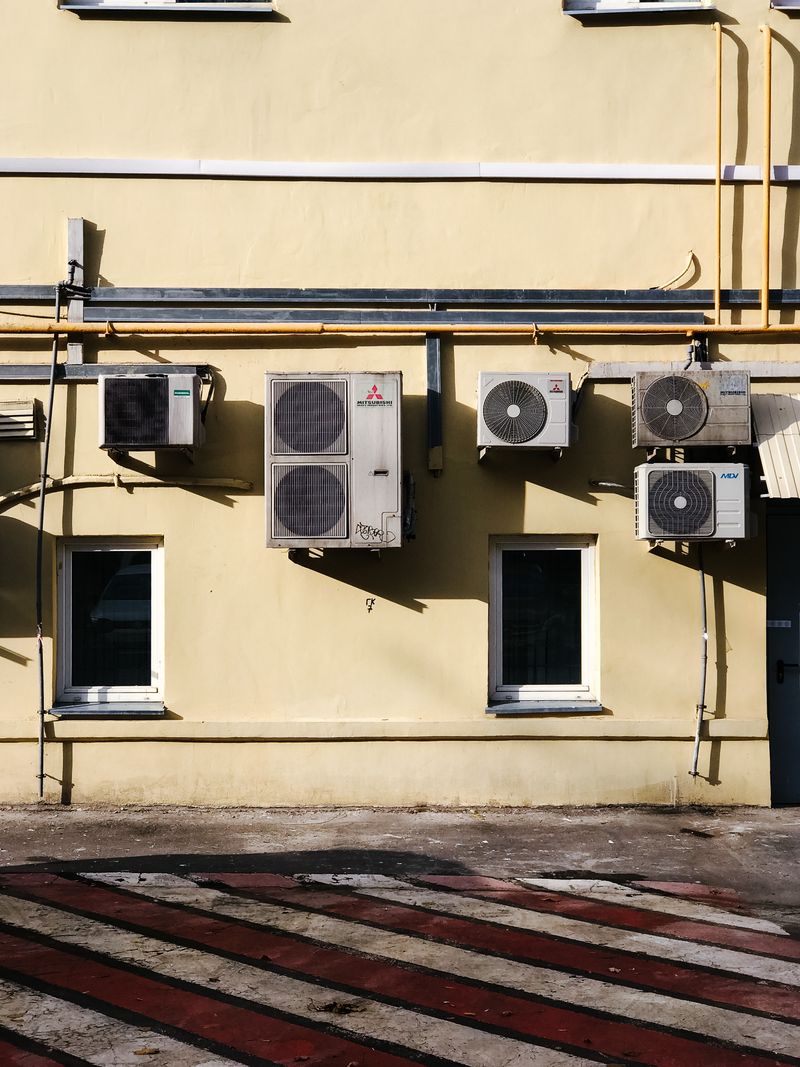
Here is a secret that HVAC industry insiders know but most homeowners do not: some of the most popular HVAC brands are essentially the same equipment sold under different names. Bryant is Carrier’s sibling brand. American Standard is Trane’s sibling brand. Understanding this relationship can save you money and simplify your buying decision.
The Corporate Relationships
Bryant is owned by Carrier Global, the same company that manufactures Carrier HVAC equipment. Bryant and Carrier products share the same factories, engineering teams, and core components. The primary differences are cosmetic — different cabinet colors and brand labels — along with some variation in product lineup and dealer network.
American Standard is owned by Trane Technologies, which also manufactures the Trane brand. Like the Bryant/Carrier relationship, American Standard and Trane share manufacturing facilities and core engineering. American Standard equipment is built on the same platforms as comparable Trane products.
Why do these companies maintain separate brands? Dealer exclusivity. An HVAC contractor who sells Carrier cannot also sell Bryant, and vice versa. This allows Carrier Global to serve twice as many dealers in any given market without brand conflict — while both brands benefit from the parent company’s engineering investment.
Equipment Comparison
Because Bryant and Carrier share the same engineering, comparing Bryant vs. American Standard is functionally equivalent to comparing Carrier vs. Trane at similar tiers.
Air Conditioners
Bryant offers the Evolution, Preferred, and Legacy lines. The Evolution Extreme 24 is Bryant’s flagship, with variable-speed technology and SEER2 ratings approaching 24. The Evolution series communicates with the Evolution Connex thermostat for optimized system control.
American Standard offers the Platinum, Gold, and Silver lines. The Platinum 20 is American Standard’s top variable-speed unit, comparable to the Trane XV20i, with up to 20 SEER2. The Platinum series uses Trane’s Comfort-R technology for dehumidification.
Gas Furnaces
Bryant furnaces range from 80% to 98% AFUE, with variable-speed ECM blowers on premium models. The Evolution series variable-speed furnace features modulating gas valves that adjust heat output in 1% increments — eliminating temperature swings and improving comfort.
American Standard furnaces similarly range from 80% to 97% AFUE. The Platinum ZM furnace features variable-speed blower and modulating gas valve for precise comfort control — functionally equivalent to the Trane XC95m.
Heat Pumps
Both brands offer heat pumps up to 20 SEER2 with cold-climate performance improvements. Bryant’s Evolution series heat pump and American Standard’s Platinum heat pump use similar two-stage and variable-speed compressor technology.
Pricing Comparison
Because Bryant and American Standard are positioned as premium brands with strong dealer networks, their pricing is typically similar to their respective parent brands.
Approximate installed costs for a 3-ton central air conditioner with air handler:
| Brand | Entry | Mid-Range | Premium |
|---|---|---|---|
| Bryant | $3,800–$5,500 | $5,500–$8,500 | $8,500–$13,000 |
| American Standard | $4,000–$5,800 | $5,800–$9,000 | $9,000–$14,000 |
American Standard tends to run slightly higher in installation cost in most markets, reflecting Trane’s typically higher dealer labor rates. Bryant pricing is comparable to Carrier at most product tiers.
Warranty Coverage
Both brands offer 10-year parts and compressor warranties when equipment is registered within the specified window after installation.
| Coverage | Bryant | American Standard |
|---|---|---|
| Compressor | 10 years (registered) | 10 years (registered) |
| Parts | 10 years (registered) | 10 years (registered) |
| Heat exchanger | Limited lifetime (Evolution) | Limited lifetime (Platinum) |
Registration is essential for both brands. Without timely registration, warranties typically revert to 5 years on parts and compressor.
Reliability and Support
Because Bryant and American Standard share manufacturing with Carrier and Trane, their reliability profiles are very similar to their respective parent brands.
Bryant benefits from Carrier’s engineering and, like Carrier, performs well in a wide range of climates. Bryant’s Evolution system uses proprietary communicating technology that can sometimes limit your options for third-party thermostats or controls.
American Standard inherits Trane’s reputation for robust construction and conservative engineering. American Standard’s Platinum series has the same robust compressor and coil construction as comparable Trane units.
One important consideration: service availability. In some markets, Carrier or Trane-certified technicians may be more readily available than Bryant or American Standard dealers. Before purchasing, confirm there are multiple authorized dealers in your area — warranty service generally requires an authorized dealer.
Which Brand Has Better Dealer Networks?
The quality of your HVAC installation depends heavily on the installing contractor, not just the brand. Bryant and American Standard both use exclusive dealer networks with training requirements, but dealer quality varies by region.
Questions to ask when evaluating a dealer:
- Are they NATE-certified?
- Do they perform Manual J load calculations before quoting equipment size?
- Do they offer a labor warranty in addition to the manufacturer parts warranty?
- How long have they been a dealer for this brand?
So Which Should You Choose?
The honest answer: it depends almost entirely on which brand has the better dealer in your area.
- Choose Bryant if your best local contractor installs Bryant, they have strong NATE certification, and you want Carrier-quality engineering at a potentially competitive price.
- Choose American Standard if your best local contractor installs American Standard and you want Trane-level durability without the Trane brand premium.
If you have no preference based on dealer quality, American Standard’s parent brand Trane has a slight overall reliability edge in most surveys, which may translate to marginally better long-term performance from American Standard equipment as well.
For both brands, a quality communicating thermostat enhances system performance. The Ecobee SmartThermostat Enhanced works with both systems and adds smart scheduling, remote sensors, and energy reporting that any HVAC system benefits from.

ThermalTechPro Editorial Team
Independent trade-focused editorial team