How to Choose the Right HVAC System for Your Home
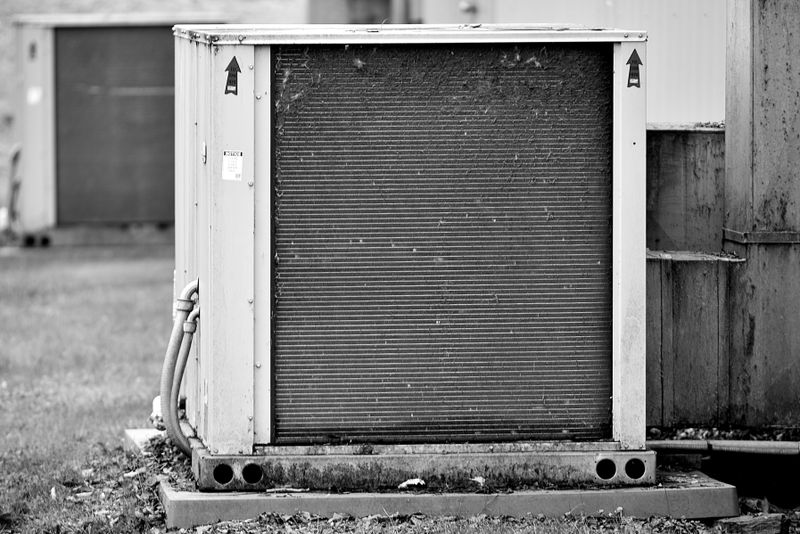
Choosing a new HVAC system is one of the most important decisions you’ll make for your home. The right system keeps you comfortable year-round while keeping energy costs manageable. Here’s how to make an informed choice.
Understanding Your Options
Central Air Conditioning with Furnace
The most common setup in North American homes. A gas furnace handles heating while a central AC unit provides cooling through the same ductwork.
Best for: Homes in climates with distinct hot and cold seasons, especially where natural gas is affordable.
Heat Pump Systems
Heat pumps transfer heat rather than generating it, making them highly efficient. Modern cold-climate heat pumps can operate effectively even in sub-zero temperatures.
Best for: Moderate climates, or as a primary system with a backup heat source in colder regions.
Ductless Mini-Split Systems
Individual units mounted in each room, connected to an outdoor compressor. No ductwork required.
Best for: Homes without existing ductwork, additions, or supplemental heating/cooling for specific rooms.
Geothermal Systems
These systems use the earth’s constant underground temperature for heating and cooling. They’re the most efficient option but require significant upfront investment.
Best for: New construction where long-term energy savings outweigh higher installation costs.
Key Factors to Consider
1. Home Size and Layout
Your HVAC system needs to be properly sized. An oversized system cycles on and off too frequently, wasting energy. An undersized system runs constantly without maintaining comfort.
A professional Manual J load calculation is essential for correct sizing.
2. Climate Zone
Your local climate determines which system types work best and what efficiency ratings matter most. In heating-dominant climates, prioritize furnace efficiency (AFUE rating). In cooling-dominant climates, focus on AC efficiency (SEER2 rating).
3. Efficiency Ratings
- SEER2 (cooling): Higher is better. Minimum is 14.3; high-efficiency units reach 20+.
- AFUE (gas heating): Expressed as a percentage. High-efficiency furnaces achieve 95%+.
- HSPF2 (heat pump heating): Higher is better. Look for 9+ for good efficiency.
4. Budget
Consider both upfront costs and long-term operating costs. A more efficient system costs more initially but saves money over its 15–20 year lifespan.
Getting the Best Installation
Even the best HVAC equipment won’t perform well if installed incorrectly. When selecting a contractor:
- Verify licensing and insurance
- Ask for a Manual J load calculation
- Get at least three written quotes
- Check reviews and references
- Ensure they offer a workmanship warranty
The right system, properly installed, will provide reliable comfort for years to come. Once your new system is in, maximize its efficiency from day one with a smart thermostat. The Ecobee SmartThermostat Premium is compatible with all major system types — including heat pumps with auxiliary heat — and includes a room sensor to balance temperatures across your home.

ThermalTechPro Editorial Team
Independent trade-focused editorial team