Gas Furnace vs. Electric Furnace: Which Is Right for Your Home?
When it is time to replace a furnace, homeowners face one of the most consequential heating decisions: gas or electric? The answer is not universal — it depends on your climate, your utility rates, your home’s existing infrastructure, and your priorities around safety and sustainability.
This guide walks through every major factor to help you make the right call.
How Each Type Works
Gas Furnaces
A gas furnace burns natural gas or propane in a heat exchanger. The combustion process heats the metal of the heat exchanger, which in turn warms the air blowing over it. The hot combustion gases — which contain carbon monoxide and other byproducts — are vented outside through a flue pipe. The heated air is then distributed through your duct system.
Modern gas furnaces achieve AFUE (Annual Fuel Utilization Efficiency) ratings of 80% to 98.5%, meaning they convert 80–98.5 cents of every dollar of gas into usable heat.
Electric Furnaces
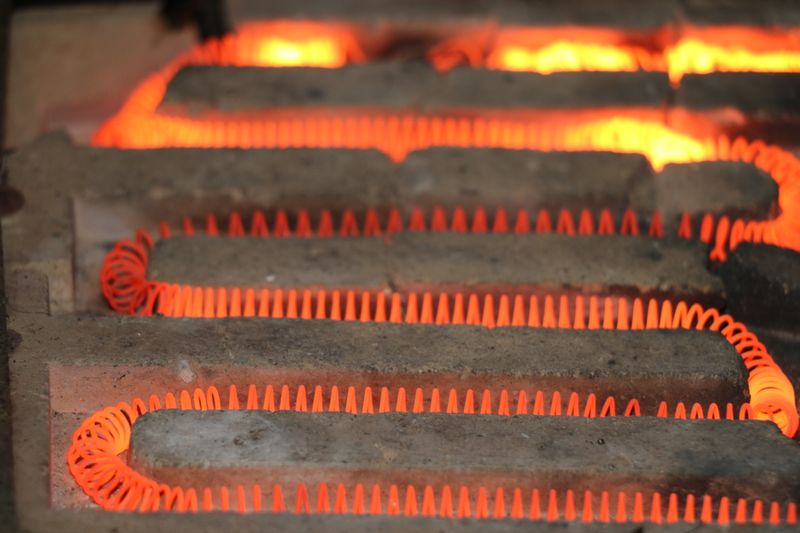
An electric furnace heats air using electric resistance heating elements — essentially the same technology as a toaster or electric space heater, just scaled up. Electric current flows through metal heating coils, generating heat that a blower fan distributes through the duct system.
Electric furnaces are rated at 100% efficiency because all electrical energy is converted directly to heat. However, this simple efficiency metric does not reflect the true cost of operation, as we will discuss below.
Upfront Cost
Electric furnaces have significantly lower purchase and installation costs:
| Equipment | Installed Cost |
|---|---|
| Electric furnace | $800–$2,500 |
| 80% AFUE gas furnace | $1,800–$3,500 |
| 96%+ AFUE gas furnace | $2,500–$5,000 |
Electric furnaces have fewer components — no heat exchanger, no flue pipe, no gas valve — which reduces both equipment cost and installation complexity. For homes that do not have a natural gas connection, an electric furnace also avoids the cost of extending a gas line (which can add $500–$2,000 or more).
Operating Costs
This is where the comparison becomes nuanced and highly location-dependent.
The Efficiency Paradox
An electric furnace is 100% efficient at converting electricity to heat. A gas furnace is 80–98.5% efficient at converting gas to heat. However, the cost of energy matters more than the percentage.
Natural gas delivers energy at roughly $0.10–$0.15 per therm in many U.S. markets (1 therm = 100,000 BTU). Electricity delivers energy at $0.12–$0.25 per kWh in most markets (1 kWh = 3,412 BTU).
Converting to cost per 100,000 BTU of delivered heat:
- Gas at $0.12/therm, 96% AFUE furnace: $0.125 per 100,000 BTU
- Electric at $0.15/kWh, 100% efficiency: $0.44 per 100,000 BTU
In most U.S. regions, heating with gas costs roughly 30–60% less than heating with electric resistance, even when the electric furnace’s 100% efficiency is credited.
When Electric Furnaces Win on Operating Cost
The math changes in areas where electricity is very inexpensive:
- Parts of the Pacific Northwest with hydroelectric power below $0.08/kWh
- Some rural cooperative utility areas
- Homes with solar panels that generate surplus electricity
In these cases, electric heating may cost less than or equal to gas.
Heat pumps (a different type of electric heating) are even more efficient and often beat gas on operating cost — but that is a comparison for a separate article.
Safety
Gas furnaces introduce combustion risks that electric furnaces do not:
Carbon monoxide: A cracked heat exchanger in a gas furnace can leak carbon monoxide into your living space. CO is colorless and odorless, and exposure can be fatal. Annual gas furnace inspections are essential. Every home with a gas furnace should have CO detectors on every level.
Gas leaks: A gas line leak creates fire and explosion risk. Modern gas systems are very safe, but the risk is not zero.
Explosion risk during ignition: Gas furnaces use an igniter to light the burners. Ignition failures can allow gas to accumulate, potentially causing a small explosion when ignition finally occurs. Modern furnaces have multiple safety lockouts to prevent this.
Electric furnaces carry no combustion risks. There is no CO, no gas leak risk, and no explosion hazard. The primary safety concern with electric furnaces is electrical — proper circuit sizing and connections, which a licensed electrician handles at installation.
For families with young children, elderly residents, or anyone with concerns about combustion safety, an electric furnace offers meaningful peace of mind.
Lifespan and Maintenance
| Factor | Gas Furnace | Electric Furnace |
|---|---|---|
| Average lifespan | 15–25 years | 20–30 years |
| Annual maintenance | Yes (required) | Minimal |
| Common repairs | Heat exchanger, igniter, control board, gas valve | Heating elements, control board |
| Repair cost | Moderate to high | Lower |
Gas furnaces require annual inspections to check the heat exchanger, burner operation, flue, and gas connections. Skipping annual maintenance increases the risk of CO leaks and reduces efficiency.
Electric furnaces require filter changes but minimal professional maintenance. Heating elements do fail but are inexpensive to replace. Electric furnaces also tend to outlast gas furnaces because there is no combustion process to degrade heat exchanger metal over time.
Environmental Considerations
Natural gas combustion releases CO₂ and other greenhouse gases. A home using a 96% AFUE gas furnace still contributes carbon emissions directly.
An electric furnace’s environmental impact depends on your local electric grid. In regions powered primarily by coal, electric heating may produce more total CO₂ than gas heating when accounting for power plant efficiency losses. In regions with significant renewable generation, electric heating has a much lower environmental footprint.
As electric grids continue shifting toward renewable energy, electric furnaces become progressively cleaner over their operating life — while gas furnaces remain dependent on fossil fuels.
Climate Suitability
Gas furnaces are well-suited to cold climates. In regions with very cold winters (USDA Zones 4–7 and colder), gas is often the most economical heating choice due to lower fuel costs per BTU. Gas furnaces also heat air very quickly and maintain comfortable temperatures even at extreme outdoor temperatures.
Electric furnaces are most cost-effective in mild climates where the heating load is modest. In areas where winter temperatures rarely drop below 20°F, an electric furnace operates economically enough that the difference in operating cost versus gas is not severe.
The Heat Pump Alternative
One alternative worth considering: instead of an electric furnace, install a heat pump as the primary heating system. Heat pumps use electricity but deliver 2–4x more heat per kWh than electric resistance heating, often matching or beating gas operating costs while also providing cooling in summer.
If you are replacing an electric furnace, a heat pump is almost always the better long-term investment — lower operating costs, dual heating/cooling function, and eligibility for federal tax credits under the Inflation Reduction Act.
Which Should You Choose?
Choose a gas furnace if:
- Natural gas is available at your home
- Your climate has significant cold winters (extended periods below 30°F)
- Your electricity rates are average or above average
- Your budget is limited and you cannot justify the operating cost premium
Choose an electric furnace if:
- Natural gas is not available at your location
- You live in a mild climate with modest heating loads
- You have or plan to install solar panels
- Safety simplicity is a priority
Consider a heat pump instead if:
- You are replacing both heating and cooling equipment
- Federal tax credits and local rebates make a heat pump cost-competitive
- You want the most energy-efficient electric heating option
For homes staying with an electric furnace, the White-Rodgers 1F85U-22PR Universal Electronic Thermostat provides reliable temperature control and is compatible with electric furnace systems.

ThermalTechPro Editorial Team
Independent trade-focused editorial team