Heat Pump vs. Air Conditioner: Which Should You Choose?
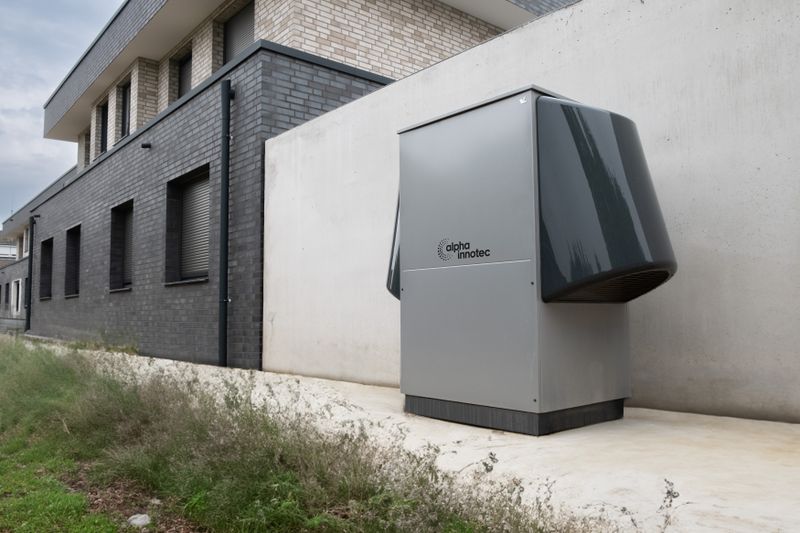
If you are shopping for a new cooling system, you have almost certainly encountered the question: heat pump or air conditioner? Both cool your home the same way — by moving heat from inside to outside — but a heat pump can also run in reverse to heat your home in winter. That dual capability changes the math significantly when evaluating which system makes more sense for your situation.
The Core Difference
An air conditioner is a one-way system. It removes heat from your home during warm months and exhausts it outside. When winter comes, you need a separate heating system — typically a gas furnace, electric resistance furnace, or boiler.
A heat pump is a two-way system. In summer, it works exactly like an air conditioner. In winter, it reverses the refrigerant cycle to extract heat from the outdoor air and bring it inside. This process is remarkably efficient — even when outdoor temperatures are below freezing, there is still heat energy in the air for a heat pump to capture.
Modern cold-climate heat pumps maintain effective heating down to -13°F (-25°C) in some models, making them viable in most North American climates.
Efficiency Comparison
Cooling Efficiency
For cooling, heat pumps and air conditioners with identical SEER2 ratings perform identically. There is no efficiency difference between a 16 SEER2 heat pump and a 16 SEER2 air conditioner in cooling mode. Both systems move heat using the same refrigerant cycle.
Heating Efficiency
This is where the heat pump advantage becomes dramatic.
An electric resistance furnace or baseboard heater converts electricity directly to heat at 100% efficiency — one unit of electricity produces one unit of heat.
A heat pump moves heat rather than generating it. A modern heat pump with a Heating Seasonal Performance Factor (HSPF2) of 10 delivers about 3 units of heat for every unit of electricity consumed — 300% efficiency, also expressed as a Coefficient of Performance (COP) of 3.
In practical terms: if your electric rate is $0.15 per kWh, an electric resistance heater costs $0.15 per kWh of heat. A heat pump with COP of 3 delivers the same heat for $0.05 per kWh — a 67% reduction in heating costs.
Compared to natural gas: heating with natural gas is still less expensive per BTU than most electricity rates in many U.S. regions. In areas with low electricity rates or high gas prices — including much of the Northeast, California, and the Pacific Northwest — heat pumps can undercut gas heating costs as well.
Upfront Cost Comparison
Heat pumps cost more to purchase than equivalent air conditioners, partly because they include a reversing valve and the components needed for heating operation.
| System | 3-Ton Installed Cost |
|---|---|
| Central AC (14 SEER2) | $3,000–$5,000 |
| Heat pump (14 SEER2 / 8 HSPF2) | $3,800–$6,000 |
| Heat pump (20 SEER2 / 10 HSPF2) | $6,000–$10,000 |
The premium for a heat pump versus an equivalent air conditioner is typically $500–$1,500 for the equipment itself. When you factor in the elimination of a separate gas furnace, the total system cost comparison changes significantly.
Total System Cost: Air Conditioner + Gas Furnace vs. Heat Pump
| Configuration | Installed Cost |
|---|---|
| 16 SEER2 AC + 80% AFUE gas furnace | $6,500–$11,000 |
| 20 SEER2 heat pump (replaces both) | $6,500–$11,000 |
At similar efficiency tiers, the all-electric heat pump solution costs roughly the same as a separate AC plus furnace — while potentially reducing annual operating costs in mild climates.
Climate Considerations
Mild to Moderate Climates (Southeast, Pacific Northwest, California)
Heat pumps are an excellent choice. Winters are mild enough that a heat pump operates efficiently throughout the heating season without backup heat. Electricity rates relative to gas costs often make heat pumps the economical winner.
Cold Climates (Midwest, Northeast, Mountain West)
Standard heat pumps lose efficiency as outdoor temperatures drop. Below about 35°F, older heat pump designs rely heavily on backup electric resistance strips, which are expensive to run.
Cold-climate heat pumps (also called “hyper heat” or “cold-climate” models from Mitsubishi, Bosch, and others) maintain strong performance down to -13°F and have changed the equation for northern homeowners. These models are worth the premium in climates with cold winters.
An alternative for cold climates is a dual-fuel heat pump system: a heat pump paired with a gas furnace as backup heat. The heat pump handles most heating duties efficiently, while the gas furnace kicks in only during the coldest weather when it is more economical than electric resistance backup heat.
Hot, Dry Climates (Southwest)
Cooling is the primary concern, and a standard high-efficiency air conditioner paired with a gas furnace or heat pump may be equally appropriate. In areas with very high summer cooling loads, some contractors prefer air conditioners with slightly higher SEER2 ratings over equivalent heat pumps, though the difference is minimal.
Federal Tax Credits and Incentives
The Inflation Reduction Act created significant incentives for heat pump adoption that are worth factoring into your decision.
As of 2026, homeowners who install qualified air-source heat pumps may be eligible for:
- Federal Tax Credit: 30% of equipment and installation costs, up to $2,000 per year
- State and utility rebates: Many states and utilities offer additional rebates of $500–$2,000
These incentives reduce the effective cost of a heat pump significantly and often tip the financial decision in favor of a heat pump over a traditional AC + furnace combination.
When to Choose a Standard Air Conditioner
- You have a newer, efficient gas furnace in good condition with many years of life remaining
- Natural gas prices in your area are significantly lower than electric rates
- You are on a tight budget and the furnace replacement is years away
- Your contractor cannot source a cold-climate heat pump model appropriate for your region
When to Choose a Heat Pump
- You are replacing both your furnace and air conditioner simultaneously
- You want to reduce or eliminate natural gas use in your home
- You have solar panels or plan to install them (all-electric home)
- You qualify for federal tax credits and your state has additional rebates
- You live in a mild climate where electric rates are reasonable
The heat pump market is evolving rapidly. For the best advice specific to your climate, home size, and energy rates, consult with at least two or three licensed HVAC contractors and ask each one specifically about cold-climate heat pump options if your winters dip below 30°F regularly.

ThermalTechPro Editorial Team
Independent trade-focused editorial team