How Heat Pumps Work and When to Consider One
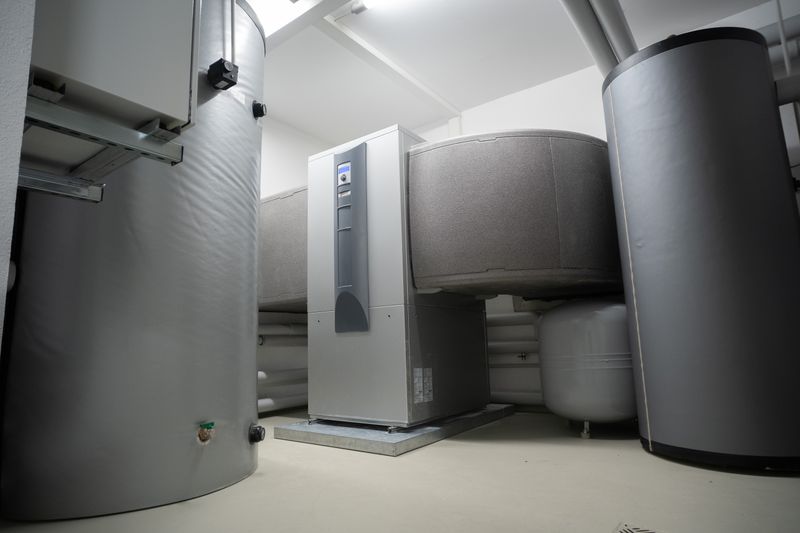
Heat pumps are different from furnaces because they do not create heat by burning fuel. They move heat. In cooling mode, a heat pump removes heat from indoors and releases it outside, just like a central air conditioner. In heating mode, it reverses the refrigeration cycle and moves heat from outdoor air, the ground, or water into the home.
That transfer process is why heat pumps can be so efficient. Under many conditions, a heat pump can deliver two to four units of heat for each unit of electricity it consumes. The exact performance depends on outdoor temperature, equipment design, ductwork, airflow, and thermostat settings.
The simple version
Think of a heat pump as an air conditioner that can run backward.
In summer:
- Indoor air passes over a cold indoor coil.
- Refrigerant absorbs heat from the home.
- The compressor moves hot refrigerant outdoors.
- The outdoor coil releases heat outside.
- Cooler, drier air returns to the home.
In winter:
- The reversing valve changes refrigerant direction.
- The outdoor coil absorbs heat from outdoor air.
- The compressor raises the refrigerant temperature.
- The indoor coil releases heat into the home.
- The blower distributes warm air through ducts or an indoor head.
Outdoor air still contains heat even when it feels cold. The challenge is extracting enough heat efficiently as temperatures drop.
Main heat pump components
Compressor
The compressor raises refrigerant pressure and temperature. Older compressors were usually single-speed. Many modern heat pumps use two-stage or variable-speed compressors that adjust output to match the home’s load. Variable-speed operation can improve comfort, reduce noise, and limit temperature swings.
Indoor and outdoor coils
The coils are heat exchangers. One absorbs heat while the other releases it, depending on mode. Dirty coils reduce heat transfer, which lowers efficiency and capacity.
Reversing valve
The reversing valve is what separates a heat pump from a cooling-only air conditioner. It changes refrigerant flow direction so the system can switch between heating and cooling.
Expansion device
The expansion device reduces refrigerant pressure so it can absorb heat. Many modern systems use thermostatic or electronic expansion valves for more precise control.
Defrost controls
In heating mode, the outdoor coil can collect frost. Heat pumps periodically enter defrost mode to melt it. During defrost, the system may temporarily blow cooler air unless auxiliary heat offsets it.
Types of heat pumps
| Type | Best fit | Main advantage | Main caution |
|---|---|---|---|
| Ducted air-source | Homes with usable ductwork | Whole-home heating and cooling | Duct leakage and airflow matter |
| Ductless mini-split | Additions, older homes, targeted rooms | No ducts and strong zoning | Indoor heads need placement and maintenance |
| Cold-climate air-source | Colder regions | Better low-temperature output | Backup heat still needs planning |
| Ground-source geothermal | Long-term homes and new construction | Very high efficiency | High installation cost |
| Water-source | Certain multifamily or commercial settings | Efficient where loop exists | Not common for standalone homes |
Efficiency ratings to compare
Heat pumps have both heating and cooling ratings.
- SEER2 measures seasonal cooling efficiency.
- EER2 measures cooling efficiency under a fixed high-load condition.
- HSPF2 measures seasonal heating efficiency.
- COP compares heat output to electricity input at a specific condition.
For a heat pump that will be used heavily in winter, HSPF2 and low-temperature capacity matter as much as SEER2. If you live in a hot climate, EER2 may be important for peak cooling performance.
For a deeper rating explanation, see understanding HVAC efficiency ratings.
When a heat pump makes sense
You are replacing both heating and cooling
If the furnace and air conditioner are both near end of life, a heat pump can replace the AC and handle much or all of the heating load. In colder areas, a dual-fuel system may pair a heat pump with a gas furnace.
You currently use electric resistance heat
Homes with electric furnaces, baseboards, or wall heaters often see the strongest savings because heat pumps are much more efficient than resistance heat in many conditions.
You do not have natural gas
Heat pumps are a strong option for homes using propane, oil, or electric resistance, especially where delivered fuel prices are high.
You want room-by-room control
Ductless mini-splits can condition specific rooms or zones without adding ductwork. This is useful for additions, finished basements, garages, and older homes.
You are improving the building shell
Air sealing, insulation, and duct repairs reduce heating load. A tighter home can use a smaller heat pump and rely less on backup heat.
When to be cautious
Heat pumps are not automatically the cheapest option in every home.
Be cautious when:
- Electricity is expensive and natural gas is cheap.
- The home has leaky or undersized ducts.
- The electrical panel lacks capacity for the equipment and backup heat.
- Winter temperatures are severe and no backup heat plan exists.
- The contractor does not provide low-temperature capacity data.
- The thermostat is not configured for heat pump staging.
None of these issues rule out a heat pump. They mean the design needs more attention.
Backup heat options
Heat pumps may use backup heat during extreme cold, defrost cycles, equipment faults, or rapid recovery.
Common backup strategies:
- Electric resistance strips: Simple but expensive to run. Common in air handlers.
- Dual-fuel gas furnace: Heat pump runs in mild weather; furnace runs below a set outdoor temperature.
- Existing boiler or baseboard: Mini-splits carry most load while existing heat covers extreme cold.
- No backup: Possible in some mild climates or very well-designed cold-climate systems, but plan carefully.
Auxiliary heat should not run unnecessarily. If your electric bill jumps after installing a heat pump, check thermostat settings and auxiliary heat runtime.
Installation questions to ask
Before approving a heat pump estimate, ask:
- What Manual J heating and cooling loads did you calculate?
- What is the system capacity at my winter design temperature?
- What SEER2, EER2, and HSPF2 ratings apply to this matched system?
- What backup heat is included, and when will it run?
- Will my ducts support the required airflow?
- Does my electrical panel need upgrades?
- What refrigerant does the system use?
- How will refrigerant charge and airflow be verified?
- What thermostat settings prevent unnecessary auxiliary heat?
- Are utility rebates or tax credits available?
If the contractor cannot answer low-temperature performance questions, compare another written estimate.
Maintenance basics
Heat pumps run in both heating and cooling seasons, so they need consistent maintenance.
If the system repeatedly starts and stops without completing a normal call, use the heat pump short-cycling diagnostic checklist to separate thermostat, airflow, sizing, defrost, electrical, and refrigerant causes.
Homeowner tasks:
- Check filters monthly during heavy use.
- Keep outdoor units clear of leaves, grass, and snow.
- Do not cover an outdoor heat pump in winter.
- Keep indoor and outdoor airflow unobstructed.
- Watch for ice that does not clear after defrost.
- Track unusually high auxiliary heat use if your thermostat reports it.
Professional service should include coil inspection, refrigerant performance, electrical checks, blower and airflow verification, defrost operation, thermostat staging, and condensate drainage.
Sources and further reading
- Department of Energy: Heat pump systems
- Department of Energy: Ductless mini-split heat pumps
- ENERGY STAR: Air-source heat pumps
- AHRI Directory of Certified Product Performance
Related articles
- Ductless Mini-Split Systems: Pros and Cons
- Heat Pump vs Air Conditioner
- How to Choose the Right HVAC System for Your Home
- Smart Thermostats: Complete Guide
Bottom line
Heat pumps are efficient because they move heat instead of creating it. They can be an excellent heating and cooling choice, especially when the home is well sealed, the ducts are sound, and the system is sized for the local climate. The critical details are low-temperature capacity, backup heat strategy, airflow, and thermostat setup.

ThermalTechPro Editorial Team
Independent trade-focused editorial team