How to Tell If Your Ducts Need Cleaning
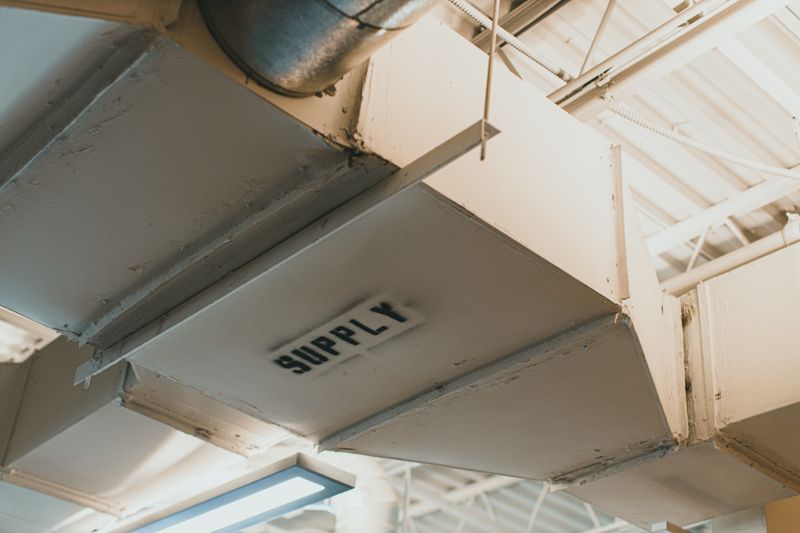
Air duct cleaning is one of the most misunderstood HVAC services. Some homes genuinely need it: visible mold, pest contamination, heavy construction debris, or dust blowing from registers are real problems. Other homes are sold cleaning they do not need because “dirty ducts” are easy to scare homeowners about.
The Environmental Protection Agency does not recommend routine duct cleaning for every home. Instead, ducts should be cleaned when there is a clear reason. This guide explains the warning signs, what a proper cleaning includes, how to avoid low-quality service, and what to do so ducts stay cleaner longer.
Quick decision checklist
| Sign | Cleaning likely needed? | What to do first |
|---|---|---|
| Visible mold inside hard duct or HVAC components | Yes, after moisture source is fixed | Confirm mold and repair humidity or drainage problem |
| Rodent or insect infestation in ducts | Yes | Eliminate pests and seal entry points |
| Dust or debris blowing from registers | Often | Inspect filter, return leaks, and renovation history |
| Recent drywall sanding or major renovation | Often | Replace filter, inspect return ducts, consider cleaning |
| Light gray dust on register faces | Not by itself | Clean grilles and improve filtration |
| Musty odor only when AC runs | Maybe | Inspect coil, drain pan, and ducts |
| Allergy symptoms with no visible duct issue | Not automatically | Improve filtration, source control, and cleaning habits |
What normal duct dust looks like
A thin layer of dust inside supply registers is normal. Air carries particles, and some settle on duct surfaces over time. That does not automatically mean the system is unsafe or inefficient.
Normal conditions include:
- Light dust on grille louvers
- Minor dust just inside the register boot
- Dust that does not blow into the room
- No musty odor
- No visible mold
- No pest evidence
- Normal airflow from registers
Start with filter replacement, register cleaning, and return grille cleaning before paying for whole-house duct cleaning.
Warning signs your ducts may need cleaning
Visible mold growth
Mold inside hard metal ducts, on the evaporator coil, in the drain pan, or on supply registers deserves attention. Mold needs moisture, so cleaning alone is not enough. You also need to solve the moisture source.
Common causes include:
- Clogged condensate drain
- Dirty evaporator coil
- Oversized AC that does not dehumidify well
- Ducts sweating in humid attics or crawl spaces
- Water intrusion near ducts
- Poor bathroom or kitchen ventilation
If a contractor says you have mold, ask for photos and, when appropriate, lab confirmation. Dark dust is not always mold.
Pest infestation
Rodents, insects, nesting materials, droppings, or dead pests in ductwork justify professional cleaning after pest control is complete. Cleaning before sealing entry points usually means the problem returns.
Pest-related duct cleaning should include contaminated materials, registers, accessible duct sections, and HVAC components affected by debris. Damaged flex duct may need replacement rather than cleaning.
Excessive dust and debris
If dust puffs from supply registers when the blower starts, or if you can see heavy debris inside duct runs, cleaning may be worthwhile. This is common after remodeling, especially drywall sanding, floor refinishing, demolition, or attic insulation work.
Before cleaning, check why debris entered the ducts. Missing filters, return leaks, poorly sealed filter slots, and open registers during construction are common causes.
Musty or stale odors
A musty odor when the system runs can come from ducts, but it can also come from the evaporator coil, drain pan, humidifier, crawl space, or basement. A good technician should inspect the air handler and moisture sources before recommending duct cleaning.
If the smell occurs only in cooling mode, suspect the coil and condensate system first.
Weak airflow from specific rooms
Dust alone rarely blocks a duct enough to cause major airflow loss, but debris, collapsed flex duct, disconnected ducts, or closed dampers can. If one or two rooms have weak airflow, ask for a duct inspection. Cleaning may not solve a mechanical duct problem.
When duct cleaning is probably not the answer
Duct cleaning is unlikely to solve:
- High utility bills caused by old equipment or leaky ducts
- Hot and cold rooms caused by poor duct design
- Dust caused by leaky windows, dirty carpets, or indoor sources
- Allergy symptoms without visible duct contamination
- Mold caused by ongoing humidity problems
- Odors from a wet crawl space or attic air leakage
In these cases, you may get better results from duct sealing, filtration upgrades, humidity control, air sealing, or coil cleaning.
What professional duct cleaning should include
A proper job is more than vacuuming the register openings. A reputable duct cleaning process usually includes:
- Pre-cleaning inspection. The company should inspect supply ducts, return ducts, air handler components, and visible contamination.
- System protection. Registers should be covered or controlled so debris is pulled toward the vacuum collection system.
- Negative pressure. A powerful vacuum should place duct sections under negative pressure.
- Agitation. Brushes, air whips, or compressed-air tools loosen debris from duct surfaces.
- Source removal. Dislodged debris should be captured by the vacuum equipment, not released into the home.
- Component cleaning. Registers, return grilles, blower compartment, coil area, and drain pan may need cleaning depending on contamination.
- Post-cleaning verification. The company should show before-and-after photos or allow visual inspection.
Ask whether the company follows NADCA standards. Certification is not a guarantee, but it is a useful screening tool.
Red flags when hiring a duct cleaner
Be cautious of:
- “$99 whole-house” offers that do not include returns, trunks, or HVAC components
- High-pressure mold claims without photos or testing
- Spraying fragrances instead of removing debris
- Recommending biocides for every home
- No written scope of work
- No proof of insurance
- Refusal to explain equipment or cleaning method
- No plan to protect the home from released dust
Chemical sanitizers and sealants should not be routine. They may have a role in specific contamination cases, but they should be explained clearly, used according to label directions, and applied only after debris is removed.
How much duct cleaning costs
Costs vary by home size, number of systems, duct accessibility, contamination level, and whether HVAC components are included. A thorough residential cleaning commonly costs several hundred dollars and can exceed $1,000 for large or contaminated systems.
Very low prices often cover only a basic visit and then upsell each vent, return, trunk, or chemical treatment. Get the full scope in writing before scheduling.
How to keep ducts cleaner
The best duct cleaning is the one you do not need to repeat often.
- Replace filters on schedule and use a filter your system can handle.
- Seal gaps around the filter cabinet so bypass air cannot carry dust around the filter.
- Keep return grilles clean and unobstructed.
- Vacuum and dust regularly, especially in pet households.
- Seal return duct leaks in attics, crawl spaces, and garages.
- Control indoor humidity, ideally around 30 to 50 percent.
- Use exhaust fans during bathing and cooking.
- Keep registers covered during renovation work.
- Schedule HVAC maintenance so coils, pans, and blowers stay clean.
For filtration basics, see HVAC Filter Guide: Types and Replacement Schedules. For duct leakage, see how to seal HVAC ductwork.
Sources and further reading
- EPA: Should You Have the Air Ducts in Your Home Cleaned?
- EPA: Indoor air quality
- Department of Energy: Ducts
- NADCA: Homeowner information
Bottom line
Duct cleaning is useful when there is visible mold, pests, heavy debris, renovation dust, or dust blowing from registers. It is not a routine maintenance requirement for every home. Inspect first, fix the source of contamination, hire a reputable company, and focus on filtration, duct sealing, and humidity control so the problem does not return.

ThermalTechPro Editorial Team
Independent trade-focused editorial team