HVAC Warranties Explained: Verify Parts, Labor, and Terms
Quick answer
An HVAC warranty is not one universal promise. Verify the exact equipment certificate, base and registered terms, any manufacturer or dealer labor coverage, optional service contracts, registration and transfer rules, exclusions, fees, and claim route in writing.
Common questions
- Does an HVAC manufacturer warranty cover labor?
- Sometimes, but not universally. Many base or registered limited warranties are parts-only, while selected manufacturer programs, optional extended plans, or dealer agreements may include labor. Verify the exact certificate and provider.
- Do I have to register new HVAC equipment?
- It depends on the manufacturer, model, installation date, and jurisdiction. Registration can unlock longer or alternative coverage, while some jurisdictions prohibit conditioning benefits on registration. Keep written proof of the applicable rule and status.
- Is an HVAC maintenance agreement the same as a warranty?
- No. A maintenance agreement defines scheduled services. A warranty promises a remedy under stated terms, and an optional service contract is purchased separately. Read each document independently.
Source note: Carrier, Trane, and Lennox warranty examples were checked October 12, 2026 against current manufacturer pages. The certificate for the exact model, installation date, owner, and jurisdiction controls.
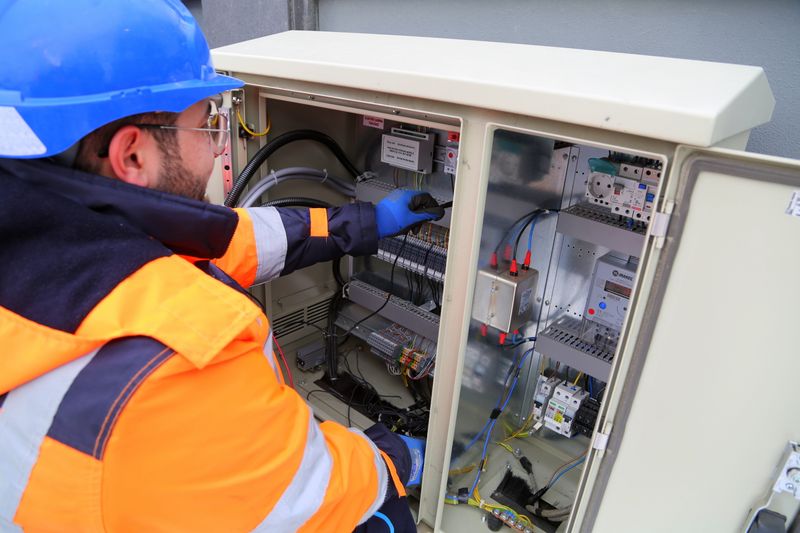
“Ten-year HVAC warranty” is not enough information to evaluate coverage. The phrase may mean parts only, apply only after timely registration, exclude labor and refrigerant, or change when the home is sold.
Before choosing a system or approving a repair, collect the certificate for every component and identify who pays for the part, diagnosis, labor, shipping, refrigerant, and service call. The written terms—not a sales summary—control.
The coverage layers are different
| Coverage layer | Typical provider | What to verify |
|---|---|---|
| Basic limited warranty | Equipment manufacturer | Covered defects, parts, term, owner, model, exclusions, and claim route |
| Registered or enhanced warranty | Manufacturer | Deadline, eligibility, longer term or alternative coverage, and jurisdiction exceptions |
| Manufacturer labor option | Manufacturer or program administrator | Eligible models, participating dealer, labor term, limits, and servicer |
| Installer workmanship or labor warranty | Installing contractor | Covered work, duration, response, exclusions, transfer, and business continuity |
| Optional extended service contract | Manufacturer, dealer, or third party | Price, covered events, parts, labor, refrigerant, fees, cancellation, and insurer/obligor |
| Home warranty plan | Third-party provider | Covered systems, limits, deductibles, contractor selection, pre-existing conditions, and exclusions |
| Maintenance agreement | Service company | Scheduled tasks, materials, documentation, fees, renewal, and cancellation |
Do not combine these into one coverage term. Our maintenance-agreement worksheet explains the difference between scheduled service, repair benefits, and warranty obligations.
Start with the exact equipment certificate
A central system may include separate outdoor, coil, air-handler, furnace, thermostat, and accessory model numbers. Each can have different terms. Record every model and serial number from the invoice and equipment labels, then download or request the certificates that applied on the installation date.
Check whether the warrantor promises repair, replacement, a replacement part, or a credit. Also identify who decides whether a failure is covered and whether the replacement part receives a new term or only the remainder of the original term.
Registration is not one universal rule
Registration can materially change coverage, but deadlines and legal exceptions vary.
- Carrier: Current Consumer Choice terms say eligible replacement equipment registered within 90 days may receive either a 10-year parts-only limited warranty or a 5-year parts plus 3-year labor option. The labor choice requires a participating dealer. Eligible benefits differ in jurisdictions where registration cannot be required.
- Trane: Current guidance describes Base and Registered Limited Warranties. Registration within 60 days generally extends eligible parts coverage from a typical five-year base term to a typical ten-year registered term; product and state exceptions apply.
- Lennox: Basic coverage varies by tier. Current Warranty Choices allow eligible owners to select a parts-only extension or an alternative with three years of labor and a shorter parts extension. Registration deadlines and jurisdiction exceptions apply.
These are examples, not a substitute for your certificate. Register each eligible component, save the confirmation, and verify the resulting coverage with the manufacturer lookup. If a dealer registers for you, request the same proof.
Compare the current programs on the Carrier warranty page, Trane warranty page, and Lennox warranty page.
Parts coverage does not define the repair bill
A covered compressor, coil, board, or heat exchanger can still produce out-of-pocket charges. Ask how the terms treat:
- Diagnostic and service-call fees
- Labor to remove, install, configure, and test the part
- Refrigerant, recovery, evacuation, leak testing, and charging
- Shipping, handling, warranty processing, and expedited freight
- Cranes, lifts, attic access, wall repair, or other access work
- Permits, code corrections, disposal, and taxes
- Consequential damage or temporary heating and cooling
Never assume refrigerant is covered or excluded across every contract. It may be excluded by a parts warranty, included in a selected service plan, capped, or priced separately.
For a replacement purchase, attach the verified coverage to the Carrier, Trane, and Lennox quote comparison and the installation cost worksheet.
Labor coverage can come from several places
The statement “manufacturer warranties never cover labor” is false. Many base manufacturer warranties are parts-only, but current Carrier and Lennox options can include limited labor coverage, and Trane says selected optional extended plans may cover labor.
Installer labor or workmanship coverage is separate. Ask the contractor to state:
- Whether it covers installation defects, any covered-part repair, or both
- The start date and exact expiration date
- Included diagnosis, travel, after-hours work, and refrigerant labor
- The response time and who may perform the work
- Whether maintenance-plan enrollment is required
- What happens if the contractor closes, sells, or leaves the area
- Whether the coverage transfers to a new owner
Identify the legal provider or obligor. A dealer promise, manufacturer program, and insured service contract do not carry the same claim route or continuity risk.
Read exclusions as carefully as the term
Limited warranties commonly distinguish defects in materials or manufacture from problems attributed to installation, application, power, environment, maintenance, alteration, or outside damage. Exact wording varies.
Do not turn those conditions into blanket rules such as “any DIY work voids the whole warranty” or “only the installing dealer may service it.” Instead, ask:
- Which current clause applies to this equipment and repair?
- Does the term require an authorized servicer for the claim?
- What maintenance or records does the certificate actually require?
- What evidence connects an excluded condition to the failed part?
- Is there an appeal or escalation route for a denied claim?
Homeowners can perform permitted routine tasks such as filter replacement when the equipment instructions allow it. Refrigerant, combustion, gas, and high-voltage work belongs to appropriately qualified professionals.
Transfer terms matter during a home sale
Never assume coverage follows the equipment automatically. The registered term may remain, shorten, require notice, carry a fee, or be nontransferable depending on the certificate and date.
Before listing or buying a home, collect model and serial numbers, installation invoice, registration record, warranty certificates, maintenance history, prior claims, and any transfer form. Ask the manufacturer to confirm remaining coverage in writing and record the deadline.
HVAC warranty verification worksheet
Complete one row or attachment for every covered component.
| Verification item | Written answer or document |
|---|---|
| Outdoor, indoor, furnace, control, and accessory models/serials | _____ |
| Installation or closing date and jurisdiction | _____ |
| Warrantor, program administrator, contractor, or obligor | _____ |
| Registration deadline, status, confirmation, and exception | _____ |
| Applicable certificate title, number, and revision | _____ |
| Parts, coil, compressor, and heat-exchanger terms | _____ |
| Labor provider, covered work, term, and limit | _____ |
| Refrigerant, shipping, diagnosis, service-call, and processing charges | _____ |
| Maintenance and recordkeeping conditions | _____ |
| Authorized-service or claim-submission requirements | _____ |
| Exclusions relevant to the installation | _____ |
| Transfer eligibility, deadline, fee, and resulting term | _____ |
| Claim contact, required evidence, response, and appeal route | _____ |
| Installer solvency or third-party backing for dealer coverage | _____ |
Write not stated instead of assuming a blank item is included.
Before signing an HVAC replacement contract
Use the HVAC replacement quote worksheet and require the seller to attach:
- Exact equipment and control model numbers
- Manufacturer certificates applicable to those models
- The selected registration or coverage option
- Installer labor or workmanship terms
- Optional service-contract terms and price
- Claim contacts and who files each type of claim
- Every excluded fee that could remain your responsibility
Store the signed proposal, invoice, AHRI certificate, permits, commissioning report, registration confirmation, maintenance records, and warranty documents together. If a claim arises, begin with the certificate and documented condition—not a generic online table.
Bottom line
The best warranty is not automatically the longest number. It is the coverage whose provider, equipment, remedy, term, labor, fees, exclusions, and claim path are clear and workable.
Verify those items before choosing the system. After installation, complete any time-sensitive registration or coverage selection, confirm the record, and keep the evidence for the next owner.
Sources and image credit

ThermalTechPro Editorial Team
Independent trade-focused editorial team