Understanding HVAC Efficiency Ratings: SEER, AFUE, and HSPF
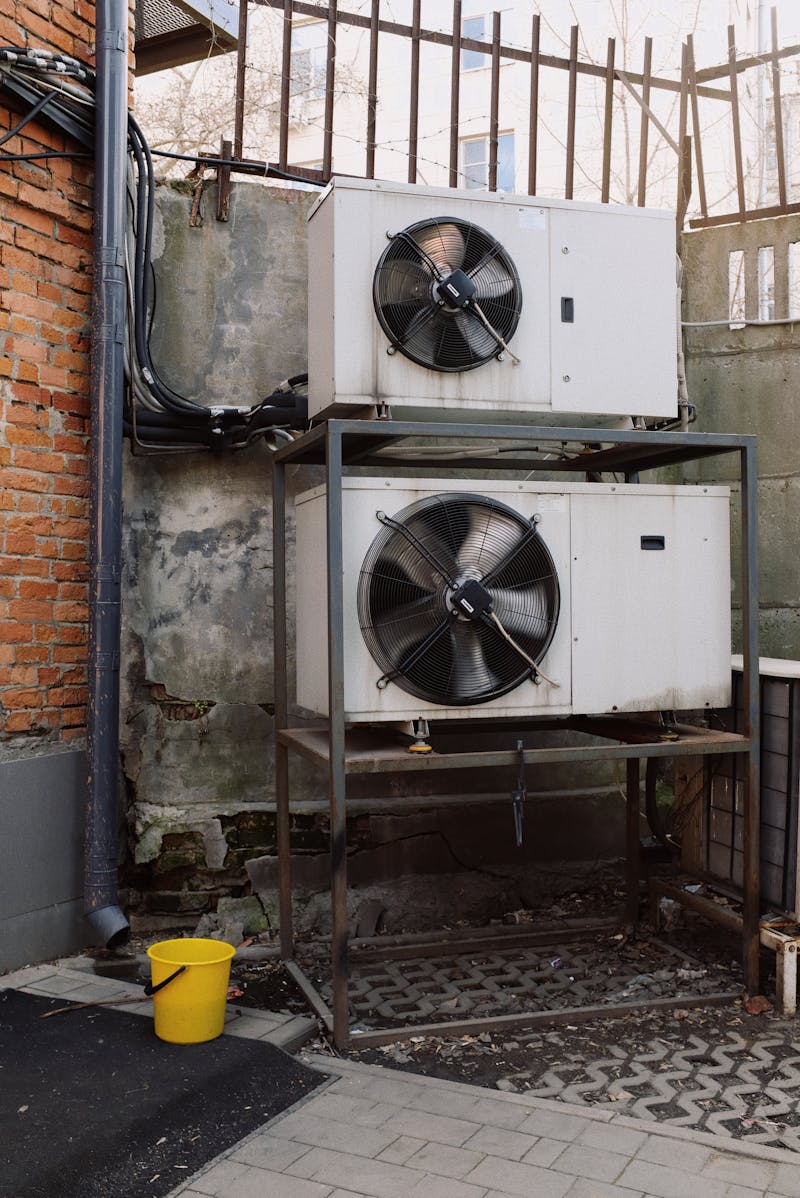
When shopping for a new HVAC system, you will encounter a alphabet soup of efficiency ratings: SEER, SEER2, EER, AFUE, HSPF, HSPF2, and COP. These numbers directly affect your monthly energy bills and the environmental impact of heating and cooling your home.
SEER: Seasonal Energy Efficiency Ratio
SEER measures the cooling efficiency of air conditioners and heat pumps. It represents the total cooling output during a typical cooling season divided by the total electrical energy consumed.
A higher SEER rating means the system produces more cooling per unit of electricity. A 16 SEER air conditioner uses approximately 25 percent less energy than a 12 SEER model.
SEER vs. SEER2
Starting in 2023, the Department of Energy introduced SEER2, which uses updated testing procedures. SEER2 ratings are typically 4 to 7 percent lower than legacy SEER for the same equipment. When comparing systems, make sure you are comparing the same rating type.
Current Minimum Standards
- Northern states: 13.4 SEER2
- Southern states: 14.3 SEER2
In hot climates where the AC runs six or more months per year, premium SEER ratings (18+) often pay for themselves within 5 to 8 years.
AFUE: Annual Fuel Utilization Efficiency
AFUE measures the efficiency of gas and oil furnaces. It represents the percentage of fuel energy converted to usable heat.
- 80 percent AFUE — 80 cents of every dollar heats the home, 20 cents goes up the flue
- 95 percent AFUE — Only 5 cents wasted
- 98 percent AFUE — The most efficient furnaces available
The federal minimum is 78 percent for gas furnaces, though most new units are 80 percent or higher. In northern states, the minimum for new installations is 95 percent AFUE.
HSPF: Heating Seasonal Performance Factor
HSPF measures the heating efficiency of heat pumps — total heating output over a season divided by total electricity consumed.
- Minimum HSPF2: 7.5 for split-system heat pumps
- ENERGY STAR minimum: 8.5 HSPF2
Since heat pumps handle both heating and cooling, consider both SEER2 and HSPF2. In cold climates, HSPF2 is arguably more important.
COP: Coefficient of Performance
COP is a simple ratio of output to input. A COP of 3.0 means 3 watts of heating for every 1 watt of electricity. Commonly used for geothermal heat pumps.
Comparing Systems Across Categories
| System Type | Key Rating | Good | Better | Best |
|---|---|---|---|---|
| Central AC | SEER2 | 14 | 16 | 18+ |
| Gas Furnace | AFUE | 80% | 92% | 96%+ |
| Heat Pump (cooling) | SEER2 | 14 | 16 | 18+ |
| Heat Pump (heating) | HSPF2 | 8 | 9 | 10+ |
| Geothermal | COP | 3.0 | 4.0 | 5.0+ |
Factors Beyond the Rating
Efficiency ratings are measured under laboratory conditions. Real-world performance depends on proper sizing, quality installation, regular maintenance, ductwork condition, and insulation. The most efficient system on paper will underperform if installed poorly.
Always work with a reputable contractor who performs a Manual J load calculation and follows manufacturer installation specifications. Once the new system is running, a smart thermostat helps you capture the full efficiency benefit. The Ecobee SmartThermostat Premium provides detailed energy reports showing daily and monthly runtime, so you can see your investment paying off. The Google Nest Learning Thermostat displays a monthly energy history with weather context — useful for tracking real-world savings over time.

ThermalTechPro Editorial Team
Independent trade-focused editorial team