Carbon Monoxide and HVAC Safety
Quick answer
Carbon monoxide risk rises when combustion equipment, venting, heat exchangers, or makeup-air paths fail. Install listed CO alarms, keep fuel-burning equipment serviced, and leave the home immediately if an alarm sounds or symptoms appear.
Common questions
- What HVAC equipment can create carbon monoxide?
- Fuel-burning furnaces, boilers, water heaters, fireplaces, and attached-garage equipment can create CO if combustion or venting fails. Electric-only heat pumps do not create CO during normal operation.
- What should you do if a CO alarm goes off?
- Get people and pets outside, call emergency services or the gas utility from a safe location, and do not re-enter until the source is checked. Do not rely on smell because carbon monoxide is odorless.
Source note: Reviewed July 2026 against the article guidance and common HVAC trade practice; final sizing, code, and equipment decisions should be confirmed by a qualified local contractor.
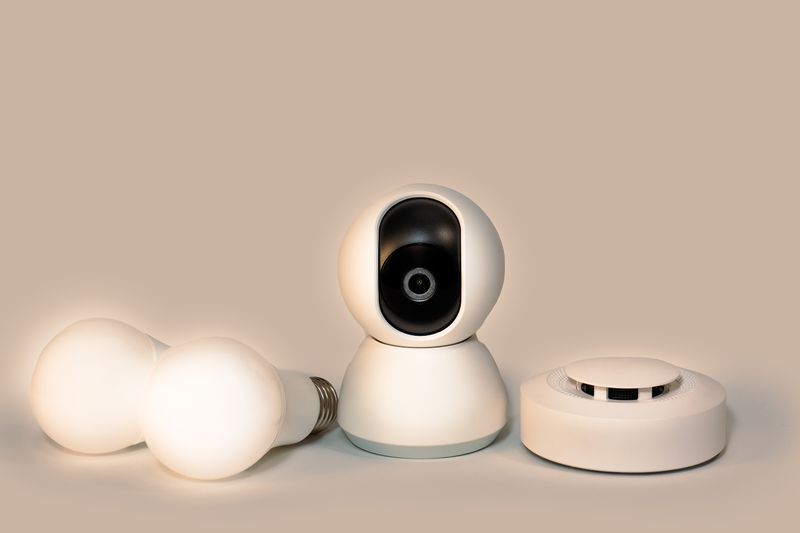
Carbon monoxide (CO) is an odorless, colorless, tasteless gas produced whenever fuel is burned. Your gas furnace, water heater, fireplace, and other combustion appliances all produce CO as a byproduct. When these appliances are properly maintained and vented, the CO is safely directed outside. But when something goes wrong, CO can enter your living space with deadly consequences.
A burning odor is not a carbon monoxide detector. If an unusual smell prompted your concern, use the furnace burning-smell safety guide to separate a brief first-start dust odor from conditions that require shutdown or evacuation, while still treating every CO alarm as an emergency.
According to the CDC, more than 400 Americans die from unintentional CO poisoning each year, and more than 100,000 visit emergency departments. Understanding the relationship between your HVAC system and carbon monoxide is essential for keeping your family safe.
How CO Enters Your Home from HVAC Systems
Cracked Heat Exchanger
The heat exchanger in your furnace is a metal chamber where combustion occurs. It keeps the burning gas separate from the air that circulates through your home. Over time, the metal expands and contracts with each heating cycle, and eventually cracks can form. These cracks — even tiny ones — allow combustion gases including CO to mix with your supply air.
A cracked heat exchanger is the most common way CO enters a home through the HVAC system. It can only be detected by a trained technician using specialized cameras or chemical tests.
Blocked or Damaged Flue Pipe
The flue pipe carries combustion gases from your furnace to the outside. If the flue becomes blocked by debris, a bird’s nest, or corrosion, combustion gases back up into your home. Similarly, if the flue pipe has rust holes or disconnected joints, CO can escape into living spaces.
Incomplete Combustion
If your furnace is not receiving enough oxygen, or if the gas pressure is incorrect, the burner produces incomplete combustion — generating more CO than normal. This can happen because of a dirty burner, incorrect gas pressure, or inadequate combustion air supply.
Backdrafting
In tightly sealed homes, exhaust fans, dryers, and other appliances can create negative pressure that pulls combustion gases back down the flue pipe instead of allowing them to vent outside. This is called backdrafting and is more common in homes with multiple combustion appliances.
Symptoms of CO Exposure
CO poisoning symptoms often mimic the flu, making them easy to dismiss:
Mild Exposure
- Headache
- Fatigue
- Shortness of breath
- Nausea
- Dizziness
Moderate Exposure
- Severe headache
- Dizziness
- Confusion
- Nausea and vomiting
- Blurred vision
- Loss of coordination
Severe Exposure
- Loss of consciousness
- Seizures
- Cardiac arrest
- Death
Critical rule: If symptoms improve when you leave the house and return when you come back, suspect CO poisoning.
Essential Safety Measures
Install CO Detectors
This is the single most important step you can take:
- Install detectors on every level of your home
- Place one within 10 feet of each sleeping area
- Follow manufacturer placement instructions — do not place near windows, doors, or ventilation that could affect readings
- Replace batteries annually (unless using 10-year sealed models)
- Replace the entire detector every 5 to 7 years — sensors degrade over time
- Look for UL 2034 listed detectors
Two top-rated options: the First Alert CO400 Carbon Monoxide Detector offers a reliable battery-powered sensor with a 5-year life, while the Google Nest Protect Smoke and CO Alarm adds smartphone alerts, voice warnings, and a 10-year battery — making it ideal for connected homes.
Schedule Annual Furnace Inspections
A professional HVAC technician should inspect your furnace every year before heating season. This inspection should include:
- Visual inspection of the heat exchanger for cracks
- Combustion analysis to measure CO output
- Gas pressure testing
- Flue pipe inspection
- Burner inspection and cleaning
- Testing all safety controls
Maintain Proper Ventilation
- Never block or cover return air grilles
- Keep the furnace room clear of stored items
- Ensure combustion air openings are unobstructed
- Do not operate the furnace with the blower door removed
Never Use Gas Appliances for Supplemental Heat
- Never use a gas oven to heat your home
- Never use a portable gas generator indoors
- Never use a charcoal or gas grill indoors
- Never run a car in an attached garage, even with the door open
What to Do If Your CO Detector Alarms
- Do not ignore it. Treat every alarm as real.
- Move everyone outside immediately. Do not stop to gather belongings.
- Call 911 from outside or a neighbor’s phone.
- Do not re-enter until emergency services have tested the air and confirmed it is safe.
- Contact an HVAC company to inspect your heating system before using it again.
Additional Safety Tips
- Have your water heater and fireplace inspected annually along with your furnace
- Ensure your garage has adequate ventilation if it shares a wall with living space
- When purchasing a new furnace, choose a model with built-in CO safety features
- Consider a low-level CO monitor in addition to standard detectors — these alert at lower concentrations that can still cause health problems over time
Carbon monoxide safety is not optional. A few preventive measures — detectors, annual inspections, and awareness — can protect your family from a threat you cannot see, smell, or taste.
Related Articles
- The Complete HVAC Maintenance Checklist for Homeowners — includes annual furnace inspection steps that help prevent CO hazards
- Signs It Is Time to Replace Your Furnace — a cracked heat exchanger is both a CO risk and a strong signal your furnace needs replacing
- DIY vs Professional HVAC Repairs — know which furnace tasks require a licensed professional for safety

ThermalTechPro Editorial Team
Independent trade-focused editorial team