Ductless Mini-Split Systems: Pros and Cons
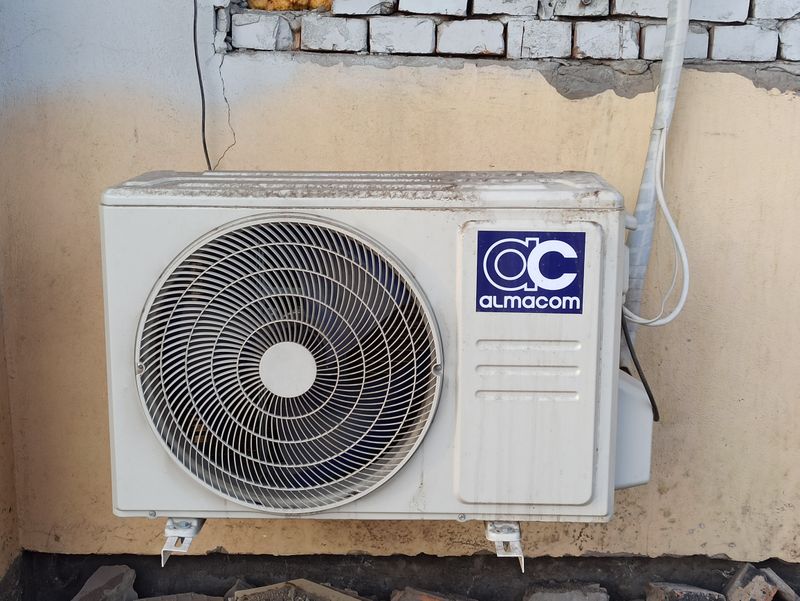
Ductless mini-splits are one of the most flexible ways to add heating and cooling to a home. They are efficient, quiet, and do not require traditional ductwork. That makes them attractive for older houses, additions, garages, finished basements, and rooms that never feel comfortable with the central system.
They are not the right answer for every home. A mini-split is visible in the room, every indoor unit needs maintenance, and multi-zone systems can become expensive. The best decision depends on the layout, climate, electrical capacity, room usage, and whether you are solving a whole-house problem or a targeted comfort issue.
What is a ductless mini-split?
A ductless mini-split is a heat pump system with an outdoor compressor/condenser connected to one or more indoor air handlers. Refrigerant lines, control wiring, and a condensate drain pass through a small wall opening or line-set chase.
Most systems include:
- Outdoor unit
- Indoor wall, floor, ceiling cassette, or concealed ducted unit
- Refrigerant line set
- Condensate drain
- Electrical disconnect and circuit
- Remote control, wall controller, or app control
A single-zone mini-split serves one space. A multi-zone system connects multiple indoor units to one outdoor unit. Each indoor unit can be controlled separately.
Pros of ductless mini-splits
No ductwork required
Adding ducts to an existing home can be expensive, disruptive, and sometimes impractical. Mini-splits avoid that by delivering heating and cooling directly to the room. This is especially useful in older homes with radiators, boiler heat, or electric baseboards.
Skipping ducts also avoids duct leakage. In a forced-air system, leaks in attics, crawl spaces, or garages can waste conditioned air before it reaches the room.
High efficiency
Many mini-splits use inverter-driven compressors that adjust output instead of simply turning on and off. Low-speed operation improves efficiency, reduces temperature swings, and often keeps the room more comfortable than a single-speed unit.
Because mini-splits are heat pumps, they move heat rather than generating it with electric resistance. In moderate weather, they can deliver several units of heating for each unit of electricity consumed.
Room-by-room zoning
Each indoor unit is its own zone. A home office can stay comfortable during the day while bedrooms use a wider temperature range. A guest room can be conditioned only when occupied. This level of control is difficult with one central thermostat.
Good solution for additions and problem rooms
Mini-splits shine in spaces that are difficult to serve with existing ducts:
- Bonus rooms over garages
- Finished basements
- Converted attics
- Sunrooms
- Workshops
- Detached studios
- Garages where local codes allow conditioning
- Bedrooms at the end of weak duct runs
For one problem room, a mini-split can be cheaper and more effective than replacing the whole central system.
Quiet operation
Indoor units often run at low sound levels, especially at low fan speeds. Outdoor units are usually quieter than older central AC condensers. This can matter for bedrooms, home offices, and dense neighborhoods.
Cons of ductless mini-splits
Higher upfront cost per room
A single-zone installed system often costs several thousand dollars. Multi-zone systems can climb quickly because every indoor unit adds equipment, line-set routing, drain work, controls, and labor.
For a whole home with many small rooms, a central system may cost less per room if good ductwork already exists.
Indoor units are visible
Wall-mounted heads are noticeable. Some homeowners do not like the appearance, especially in formal rooms. Ceiling cassettes, floor consoles, and concealed ducted units can look cleaner, but they cost more and require more installation work.
Maintenance is distributed
Every indoor head has filters, coils, louvers, and a blower wheel. Washable filters may need cleaning every 4 to 6 weeks during heavy use. Dust buildup on the blower wheel can cause odors, reduced airflow, and noise.
If you install four indoor units, you now have four indoor units to maintain.
Air does not mix between rooms
A ductless head conditions the space where it is installed. It does not automatically move air into closed bedrooms, hallways, or bathrooms. Open floor plans work better than chopped-up layouts. Homes with many small rooms may need more indoor units than expected.
Condensate drainage must be planned
In cooling mode, indoor units remove moisture from the air. That water must drain reliably. Gravity drains are best. Condensate pumps are sometimes necessary, but they add noise, maintenance, and another failure point.
Sizing and placement are critical
Oversized mini-splits can short cycle, reduce humidity removal, and leave rooms clammy. Poor placement can cause drafts, cold spots, or a sensor reading that does not represent the room. A good design considers heating and cooling load, throw pattern, furniture, doors, and where occupants sit or sleep.
Mini-split decision table
| Use case | Mini-split fit | Why |
|---|---|---|
| One uncomfortable bedroom | Strong | Targeted control without replacing central equipment |
| Whole older home with no ducts | Strong | Avoids invasive duct installation |
| Open-plan small home | Strong | Fewer heads can cover more space |
| Large home with many closed rooms | Mixed | Many heads may be needed |
| Existing ducts in good condition | Mixed | Compare with central heat pump or AC replacement |
| Cold climate primary heat | Good if cold-climate model is selected | Low-temperature capacity and backup plan matter |
| Formal room where appearance matters | Mixed | Consider ceiling cassette or concealed unit |
Cold-climate performance
Modern cold-climate mini-splits can heat well below freezing, but not every model is designed for severe winter use. If the system will be primary heat, ask for heating capacity at low outdoor temperatures, not just the rated capacity at mild conditions.
Important questions:
- What is the heating output at 5 degrees F and 17 degrees F?
- Does the system need backup heat in my climate?
- How does defrost affect comfort?
- What happens during a power outage?
- Is the outdoor unit mounted high enough for snow clearance?
In cold regions, a mini-split may pair well with an existing boiler, furnace, or electric baseboard backup. The backup should be planned, not discovered during the first cold snap.
Installation and safety considerations
Some mini-splits are marketed as DIY-friendly, especially pre-charged line-set systems. Even then, electrical work, wall penetrations, condensate routing, mounting, and code compliance matter. Most conventional mini-splits require evacuation, leak testing, and refrigerant procedures that belong to trained technicians.
Hire a qualified installer when:
- New electrical circuits are required
- Refrigerant lines must be cut, flared, brazed, or evacuated
- The outdoor unit is mounted on a roof or high wall bracket
- The system will be primary heat
- Multiple indoor units connect to one outdoor unit
- Permits are required locally
Poor installation can cause refrigerant leaks, water damage, noisy operation, and reduced equipment life.
Maintenance checklist
Homeowners can handle basic maintenance:
- Clean indoor filters every 4 to 6 weeks during heavy use.
- Keep furniture and curtains clear of indoor airflow.
- Wipe louvers and cabinets gently.
- Keep outdoor coils clear of leaves, weeds, cottonwood, and snow.
- Check for water stains around indoor units.
- Replace remote batteries before they corrode.
Professional service should include coil cleaning, blower wheel inspection, drain testing, refrigerant performance checks, electrical inspection, and verification that all zones operate correctly.
Sources and further reading
- Department of Energy: Ductless mini-split heat pumps
- ENERGY STAR: Ductless heating and cooling
- Department of Energy: Heat pump systems
Related articles
- Central AC vs Ductless Mini-Split
- How Heat Pumps Work and When to Consider One
- How to Choose the Right HVAC System for Your Home
- HVAC Zoning Systems Explained
Bottom line
Ductless mini-splits are excellent for targeted comfort, homes without ducts, and efficient room-by-room heating and cooling. They are less ideal when a home has many closed-off rooms, when appearance is a major concern, or when a central ducted system already works well. Get the sizing, placement, drainage, and cold-weather capacity right before choosing the equipment.

ThermalTechPro Editorial Team
Independent trade-focused editorial team