Top 5 Energy-Efficient HVAC Upgrades That Pay for Themselves
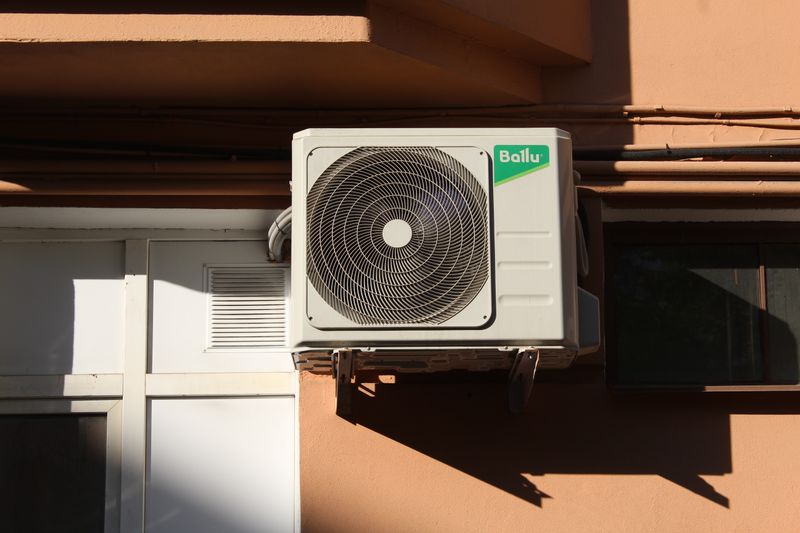
An energy-efficient HVAC upgrade should do more than look good on a sales estimate. It should solve a real comfort problem, reduce wasted heating or cooling, and make sense for how long you expect to stay in the home. The best upgrades usually improve the whole system around the equipment: controls, ducts, airflow, insulation, and maintenance.
Before spending thousands on new equipment, start with the upgrades that help your current system perform closer to its design efficiency. A 17 SEER2 air conditioner connected to leaky attic ducts can still waste a surprising amount of conditioned air. A high-efficiency furnace with a clogged filter can run longer, cycle harder, and deliver less comfort than expected.
Use this guide to compare the HVAC upgrades that usually deliver the strongest return, when they make sense, and when another improvement should come first.
Quick comparison: cost, savings, and best fit
| Upgrade | Typical installed cost | Best fit | Payback potential |
|---|---|---|---|
| Smart or programmable thermostat | $120-$350 | Homes with inconsistent schedules or manual thermostat habits | Fast |
| Duct sealing and duct insulation | $300-$2,000+ | Ducts in attics, crawl spaces, garages, or unconditioned basements | Fast to moderate |
| Air sealing and attic insulation | $1,000-$5,000+ | Drafty homes, uneven rooms, high heating bills | Moderate |
| Variable-speed or high-efficiency HVAC equipment | $2,000-$8,000+ premium over basic replacement | Aging equipment or planned replacement | Moderate to long |
| Zoning or room-by-room controls | $2,000-$6,000+ | Multi-story homes, additions, rooms with different sun exposure | Moderate |
Actual savings depend on climate, utility rates, insulation, duct condition, installation quality, and how the system is used. Treat any payback estimate as a planning range, not a guarantee.
1. Smart thermostat installation
A smart thermostat is often the easiest HVAC efficiency upgrade because it reduces runtime without changing the equipment. The biggest savings come from automatic setbacks: lowering heating temperatures or raising cooling temperatures when the home is asleep or empty. The Department of Energy notes that setting the thermostat back 7 to 10 degrees for about eight hours a day can save up to about 10 percent on heating and cooling in many homes.
Smart models improve on basic programmable thermostats by using occupancy sensing, geofencing, weather data, remote control, and energy reports. Those features matter because many homeowners never program older thermostats correctly after the first week.
The Ecobee SmartThermostat Premium is useful in homes where the hallway thermostat does not represent the rooms people actually use, because remote sensors can average temperature across occupied spaces. A Google Nest Learning Thermostat is a strong option for households that want schedule learning with minimal setup.
Best candidates:
- Homes where the thermostat is adjusted manually every day
- Families with work, school, travel, or hybrid schedules
- Homes with one or two rooms that drive comfort complaints
- Heat pump homes where auxiliary heat control matters
Be careful with: heat pumps that use electric resistance backup heat. Aggressive setbacks can trigger auxiliary heat during recovery, which may erase savings. Use a thermostat with heat pump balance or lockout settings, and ask a technician to confirm staging during seasonal service.
2. Duct sealing and insulation
Ductwork is one of the most overlooked energy upgrades in a forced-air home. If ducts leak in an attic, crawl space, garage, or basement, you are paying to heat or cool air that never reaches the rooms. Return-side leaks can also pull dusty, humid, or very hot attic air into the system.
The Department of Energy has long pointed to duct sealing and insulation as a high-impact improvement, especially when ducts run through unconditioned spaces. Sealing should be done with UL 181-rated foil tape or water-based duct mastic, not cloth “duct tape.” Duct tape dries out and fails.
Focus on these leakage points first:
- Plenum connections at the furnace or air handler
- Takeoffs from the main trunk line
- Boots where ducts meet floors, walls, or ceilings
- Disconnected, crushed, or kinked flex duct
- Return chases that use wall cavities instead of sealed duct material
Small accessible leaks can be handled by a careful homeowner. Larger leakage, inaccessible ducts, or airflow complaints justify professional testing. A contractor can measure duct leakage, seal hidden areas, and verify that static pressure and airflow remain within the equipment manufacturer’s range.
For a step-by-step look at materials and safety limits, see our guide to how to seal HVAC ductwork.
3. Air sealing and attic insulation
Air sealing and insulation are not HVAC equipment upgrades, but they often produce the best HVAC results. A leaky house loses conditioned air through attic hatches, recessed lights, plumbing penetrations, rim joists, and gaps around framing. Insulation slows heat transfer, but it performs poorly if air is bypassing it.
The usual order is air seal first, insulate second. If you add insulation before sealing attic penetrations, you may bury the leaks and make them harder to fix later.
High-priority areas include:
- Attic bypasses around plumbing stacks, wiring, chimneys, and top plates
- Attic hatch or pull-down stair weatherstripping
- Rim joists in basements and crawl spaces
- Gaps around duct boots and utility penetrations
- Unsealed kneewalls in finished attics
Attic insulation levels should be matched to your climate zone. Northern homes often need much higher attic R-values than homes in mild southern climates. If your attic has bare joists, uneven coverage, or old compressed insulation, upgrading insulation can reduce both heating and cooling runtime.
Safety note: do not bury knob-and-tube wiring, cover non-IC-rated recessed lights, or seal around combustion appliance vents with ordinary foam. Use fire-rated materials where required and bring in a qualified pro when electrical or combustion safety is involved.
4. Variable-speed and high-efficiency equipment
When equipment is near the end of its service life, paying more for high-efficiency HVAC can make sense. The key is choosing efficiency that fits your climate and usage pattern.
For air conditioners and heat pumps, compare SEER2 for seasonal cooling efficiency and EER2 for efficiency under hotter test conditions. In very hot climates, EER2 can matter more than headline SEER2. For heat pumps, compare HSPF2 for heating efficiency. For furnaces, compare AFUE, which estimates how much fuel becomes usable heat.
Variable-speed and inverter-driven systems can add comfort beyond energy savings. They run longer at lower output, which can reduce temperature swings, improve humidity removal in cooling season, and lower blower noise. They pair especially well with zoning and tight homes.
Still, the highest efficiency tier is not always the best value. If a premium 22 SEER2 system costs several thousand dollars more than a 16 or 17 SEER2 system, the extra savings may not pay back before the next move. Installation quality, duct design, and correct sizing can matter more than chasing the top rating.
Before replacing equipment, ask for:
- A Manual J load calculation, not just “same size as before”
- Written model numbers for indoor and outdoor equipment
- AHRI matched-system documentation where applicable
- Duct inspection and static pressure readings
- Commissioning details, including refrigerant charge and airflow verification
For a deeper equipment comparison, start with choosing the right HVAC system and understanding HVAC efficiency ratings.
5. Zoning and room-by-room control
Zoning lets different parts of the home call for heating or cooling independently. In a ducted system, this usually means motorized dampers, multiple thermostats, and a zone control panel. In a ductless mini-split system, each indoor head acts as its own zone.
Zoning is most valuable when loads differ by area:
- Upstairs bedrooms overheat in summer
- A basement stays cold while upper floors are comfortable
- A west-facing room gets strong afternoon sun
- A home office is occupied all day while bedrooms are empty
- An addition has different insulation or window exposure
Zoning is not a cure for bad duct design or oversized equipment. Closing too many dampers can increase static pressure, reduce airflow across the coil or heat exchanger, and create noise. Better systems use variable-speed blowers, bypass or dump strategies where appropriate, and control logic that protects minimum airflow.
If your main problem is one room at the end of a weak duct run, duct repair may be more cost-effective than full zoning. If your home has several rooms with different schedules, zoning may be worth the investment.
See HVAC zoning systems explained for design options and retrofit cautions.
How to prioritize upgrades
The right order depends on what is wasting energy now. Use this decision path:
- Fix obvious maintenance problems first. Replace dirty filters, clean coils, clear blocked vents, and schedule seasonal service.
- Control runtime. Install and correctly configure a programmable or smart thermostat.
- Stop distribution losses. Seal ducts, repair disconnected runs, and insulate ducts in unconditioned spaces.
- Reduce the load. Air seal and insulate the building shell.
- Replace equipment when it is due. Choose efficient, correctly sized equipment after the home and ducts are improved.
- Add zoning for comfort mismatches. Use zoning when the home genuinely needs different temperatures in different areas.
This order prevents a common mistake: buying a larger or more expensive system to compensate for leaks, weak insulation, or poor controls.
When an energy audit is worth it
A professional home energy audit can identify leakage, insulation gaps, duct problems, and equipment issues in one visit. Blower door testing and infrared imaging are especially useful if your home has high bills but no obvious single cause. Many utilities subsidize audits or include rebates for recommended upgrades.
An audit is most worthwhile if:
- Utility bills are high compared with similar homes
- Some rooms are uncomfortable despite normal thermostat settings
- The home is older than 20 years
- You plan to replace HVAC equipment within the next year
- Ducts or insulation are hard to inspect visually
Sources and further reading
- ENERGY STAR: Heating and cooling
- Department of Energy: Programmable thermostats
- Department of Energy: Ducts
- ACCA: Manual J residential load calculation
Bottom line
Energy-efficient HVAC upgrades work best as a sequence, not a shopping list. Start with controls, maintenance, duct sealing, and air sealing. Then, when equipment replacement makes sense, buy the right size and efficiency tier for your climate. That approach usually delivers better comfort and lower bills than simply choosing the most expensive system in the catalog.

ThermalTechPro Editorial Team
Independent trade-focused editorial team