How to Clean AC Drain Lines
Quick answer
A clogged AC drain line usually needs the system shut off, standing water managed, and the drain cleared from the access tee or termination point. The goal is to restore flow without forcing water back into the air handler or damaging the pan.
Common questions
- What are signs of a clogged AC condensate drain?
- Common signs include water near the air handler, a full secondary pan, a float switch shutting the system off, musty odor, or algae buildup at the drain termination.
- Can bleach be used in an AC drain line?
- Many contractors prefer water, vinegar, or manufacturer-approved cleaning methods because bleach can be harsh on some materials and fittings. Follow the air-handler and drain-line guidance for the system.
Source note: Reviewed July 2026 against the article guidance and common HVAC trade practice; final sizing, code, and equipment decisions should be confirmed by a qualified local contractor.
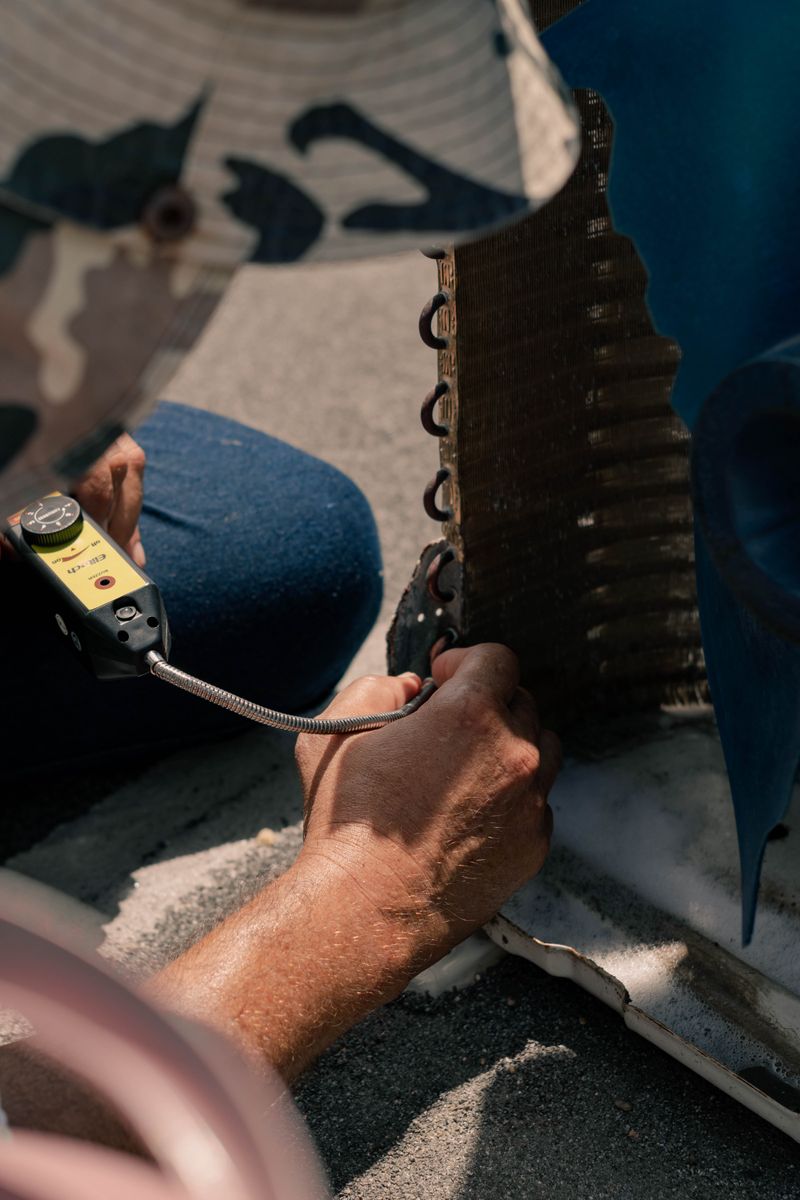
Your air conditioner’s condensate drain line removes the moisture your system pulls from the air during cooling. A clogged drain line is one of the most common AC problems homeowners face, and it can cause water damage, system shutdown, and mold growth. Fortunately, cleaning the drain line is a straightforward task you can handle yourself.
Why Drain Lines Clog
As warm, humid air passes over the cold evaporator coil, moisture condenses on the coil surface and drips into the drain pan. This water flows through the condensate drain line to the outside of your home.
Over time, algae, mold, dust, and debris accumulate inside the drain line, gradually restricting water flow. In a heavily used system, a drain line can clog within a single cooling season.
Signs of a Clogged Drain Line
- Water pooling around the indoor unit or in the drain pan
- Musty smell near the air handler
- System shutting off unexpectedly — many units have a float switch that shuts down the system when water backs up
- Water damage on walls, ceilings, or floors near the indoor unit
- High indoor humidity despite the AC running
What You Will Need
- RIDGID 6-gallon Wet/Dry Vacuum — ideal for drain line clearing and general HVAC maintenance
- Distilled white vinegar or bleach
- Funnel
- Clean rag or towel
Step-by-Step Cleaning Process
Step 1: Turn Off the System
Switch the thermostat to “off” and turn off power to the indoor air handler at the circuit breaker. Safety first — you will be working near water and electrical components.
Step 2: Locate the Drain Line
The condensate drain line is typically a 3/4-inch PVC pipe extending from the indoor air handler to an exterior wall or floor drain. Look near the indoor unit for a vertical pipe with a cap or plug on top — this is the cleanout access point.
Step 3: Remove the Cleanout Cap
Unscrew or pop off the cap on the cleanout fitting. Set it aside.
Step 4: Vacuum the Clog
If you have access to the outdoor end of the drain line:
- Take your wet/dry vacuum outside
- Hold the vacuum hose over the drain line outlet
- Create a seal with a rag around the connection
- Run the vacuum for 2 to 3 minutes to pull out the clog
You should see water, slime, and debris being sucked into the vacuum. If you cannot access the outdoor end, you can also vacuum from the cleanout fitting inside.
Step 5: Flush the Line
Pour one cup of distilled white vinegar through the cleanout opening. Vinevine kills algae and dissolves biofilm without the harshness of bleach. Let it sit for 15 to 30 minutes.
Alternatively, use a mixture of one cup bleach per gallon of water. Do not mix vinegar and bleach — this creates toxic chlorine gas.
Step 6: Flush with Water
After the vinegar has sat, pour a gallon of warm water through the cleanout to flush any remaining debris. Watch the outdoor end to confirm water is flowing freely.
Step 7: Replace the Cap and Restart
Screw the cleanout cap back on, restore power, and turn the system back on. Monitor the drain line over the next few hours to ensure water is flowing properly.
Preventive Maintenance
To prevent future clogs:
- Flush monthly during cooling season with one cup of vinegar
- Use algaecide tablets in the drain pan — these slow-release tablets inhibit algae growth for 3 to 6 months. AC Safe AC-920 Air Conditioner Drain Tablets are a widely used option that keeps drain pans clean between treatments
- Change air filters regularly — dirty filters allow more dust to reach the coil and drain pan
- Keep the area around the indoor unit clean to reduce debris entering the drain
- Inspect the drain pan twice per year for standing water, cracks, or biological growth
When to Call a Professional
While basic drain line cleaning is a simple DIY task, call a professional if:
- The clog persists after vacuuming and flushing
- The drain line is cracked or broken
- The drain pan is rusted through or cracked
- Water has caused visible damage to walls, ceilings, or flooring
- The system has a secondary drain pan that is also collecting water
A clean drain line prevents water damage, keeps your AC running efficiently, and avoids the musty odors that accompany biological growth in the drain system. Five minutes of monthly maintenance can save you hundreds of dollars in water damage repairs.
Related Articles
- How to Fix Common AC Problems — drain line clogs are just one of several AC issues you can troubleshoot yourself
- Summer AC Preparation Checklist — a complete seasonal checklist that includes condensate drain maintenance
- HVAC Maintenance Checklist for Homeowners — the full year-round maintenance schedule for your heating and cooling system

ThermalTechPro Editorial Team
Independent trade-focused editorial team