Summer AC Preparation Checklist
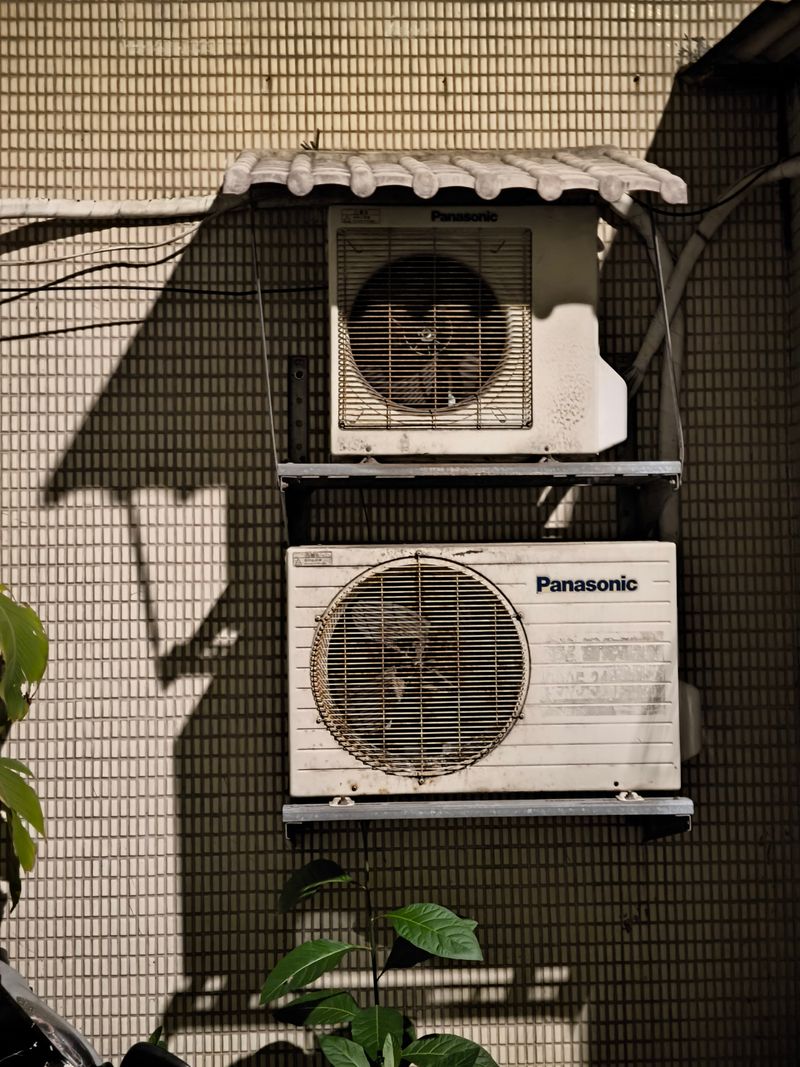
The best time to prepare your air conditioner is before the first heat wave. Once outdoor temperatures climb, HVAC companies are busy, parts delays are more painful, and a small airflow or drain problem can become an emergency service call.
This summer AC checklist covers the homeowner tasks that reduce breakdown risk and the professional checks that protect efficiency, comfort, and equipment life. It applies to central air conditioners and heat pumps in cooling mode, with notes for ductless mini-splits where the task differs.
Summer preparation at a glance
| Task | Homeowner or pro? | Why it matters |
|---|---|---|
| Replace or clean filter | Homeowner | Protects airflow and coil cleanliness |
| Clear outdoor unit | Homeowner | Improves heat rejection |
| Rinse condenser coil gently | Homeowner if accessible | Removes loose debris from coil fins |
| Inspect condensate drain | Homeowner/pro | Prevents water damage and shutdowns |
| Check refrigerant performance | Professional | Requires tools and certification |
| Test capacitors, contactors, and wiring | Professional | Prevents electrical failures |
| Measure airflow and temperature split | Professional | Confirms system performance |
1. Replace or clean the air filter
Start the season with a clean filter. During heavy cooling use, check 1-inch filters monthly. Replace them when they look dirty, even if the package says they can last longer. Thick media filters may last several months, but they should still be inspected.
The airflow arrow on the filter should point toward the blower. If the filter slot leaks around the edges, dusty air can bypass the filter and collect on the evaporator coil.
For many systems, a pleated filter in the MERV 8 to MERV 12 range is a practical balance. The Filtrete 1500 MPR Smart Air Filter is a common MERV 12 option, but airflow matters more than simply choosing the highest rating. If airflow gets weak or the filter whistles, have static pressure checked.
2. Clear supply and return airflow
Walk the house and verify that supply registers and return grilles are open and unobstructed. Move rugs, curtains, furniture, toys, and storage boxes away from vents.
Closing registers in unused rooms usually does not save much energy. It can increase static pressure, reduce airflow across the evaporator coil, and contribute to coil freezing. If one room is too cold while another is too warm, look at balancing, duct repair, or zoning rather than closing many registers.
3. Clean around the outdoor condenser
The outdoor unit must reject heat. Leaves, grass clippings, cottonwood, weeds, and stored items reduce airflow and make the system work harder.
Before cleaning:
- Turn the thermostat to off.
- Shut off power at the outdoor disconnect.
- Turn off the breaker if you will remove panels or work close to wiring.
Homeowner cleaning steps:
- Remove leaves and debris by hand.
- Trim vegetation to maintain about two feet of side clearance.
- Keep the top discharge area open.
- Rinse the coil gently with a garden hose.
- Do not use a pressure washer.
- Do not bend coil fins with tools.
If the coil is heavily matted with dirt or cottonwood, schedule professional cleaning. A technician can safely remove panels and clean from the correct direction.
4. Inspect the condensate drain
Central air conditioners remove moisture as they cool. That water drains through a condensate line. A clog can shut the system down, overflow into ceilings or walls, or create microbial growth in the drain pan.
Look for:
- Water around the indoor unit
- Rust or biological slime in the drain pan
- A float switch that has tripped
- Musty odors near the air handler
- A drain line that lacks proper slope
If your system has an accessible cleanout, flushing the line with water or using a wet/dry vacuum at the outdoor termination may help. Avoid harsh chemicals that can damage piping or equipment. For recurring clogs, see how to clean AC drain lines.
5. Test the system on a mild day
Do not wait for a 95 degree afternoon. Test cooling when outdoor temperatures are mild enough that a failure is not urgent.
Set the thermostat to cool and lower the setpoint a few degrees. Let the system run for 15 to 20 minutes.
Watch for:
- Outdoor fan running smoothly
- Indoor blower running steadily
- Cool air from supply registers
- Unusual vibration, buzzing, or grinding
- Water leaks
- Short cycling
- Ice forming on refrigerant lines
- Burning electrical smell
If the system does not start, check the thermostat mode, breaker, and outdoor disconnect. Do not repeatedly reset a breaker that trips again.
6. Program the thermostat for cooling season
Reasonable thermostat settings reduce runtime without sacrificing comfort.
Common summer targets:
- Home and active: 74 to 76 degrees F
- Sleeping: 76 to 78 degrees F, adjusted for comfort
- Away: 78 to 82 degrees F
Avoid setting the thermostat extremely low when you come home. The AC does not cool faster because it is set to 60 degrees; it just runs longer and may overshoot comfort.
Smart thermostats can help with schedules, geofencing, humidity reporting, and reminders. For heat pumps, confirm that seasonal mode changes and auxiliary heat settings are correct.
7. Schedule a professional cooling tune-up
A professional tune-up should verify performance, not just rinse the outdoor unit. Ask whether the visit includes:
- Capacitor and contactor testing
- Electrical connection inspection
- Blower motor and wheel inspection
- Evaporator and condenser coil inspection
- Refrigerant performance check
- Temperature split and airflow evaluation
- Condensate drain cleaning
- Thermostat verification
- Safety control testing
- Outdoor fan and compressor inspection
Refrigerant work requires EPA certification. If a system is low on refrigerant, it likely has a leak. Adding refrigerant without finding the leak is not a durable repair.
8. Mini-split summer preparation
Ductless mini-splits need extra indoor attention.
- Wash indoor filters every 4 to 6 weeks during heavy use.
- Keep curtains and furniture away from indoor heads.
- Check that condensate drains freely.
- Look for dust on blower wheels or louvers.
- Clear outdoor units just like central systems.
- Use dry mode only when humidity control is needed, not as a substitute for proper cooling.
If a mini-split smells musty or spits water, schedule service. Deep cleaning indoor coils and blower wheels requires care around electronics and drain pans.
Safety red flags before summer
Call a technician if you notice:
- Breaker trips repeatedly
- Ice on the indoor coil or refrigerant lines
- Oily residue near refrigerant connections
- Outdoor fan runs but compressor does not start
- Loud buzzing from the outdoor unit
- Burning odors
- Water near electrical components
- Weak airflow throughout the house
- AC runs continuously but cannot cool
Turning the system off when you see ice or electrical symptoms can prevent more damage before the appointment.
Sources and further reading
- Department of Energy: Maintaining your air conditioner
- ENERGY STAR: Maintenance checklist
- Department of Energy: Central air conditioning
Related articles
- HVAC Maintenance Checklist for Homeowners
- How to Fix Common AC Problems
- HVAC Filter Guide
- DIY vs Professional HVAC Repairs
Bottom line
Summer AC preparation is mostly about airflow, cleanliness, drainage, and early testing. Replace the filter, clear the outdoor unit, check the drain, test the system before peak heat, and schedule a tune-up that verifies electrical, refrigerant, and airflow performance. That small effort is far cheaper than an emergency repair during the first major heat wave.

ThermalTechPro Editorial Team
Independent trade-focused editorial team