How to Fix Common AC Problems
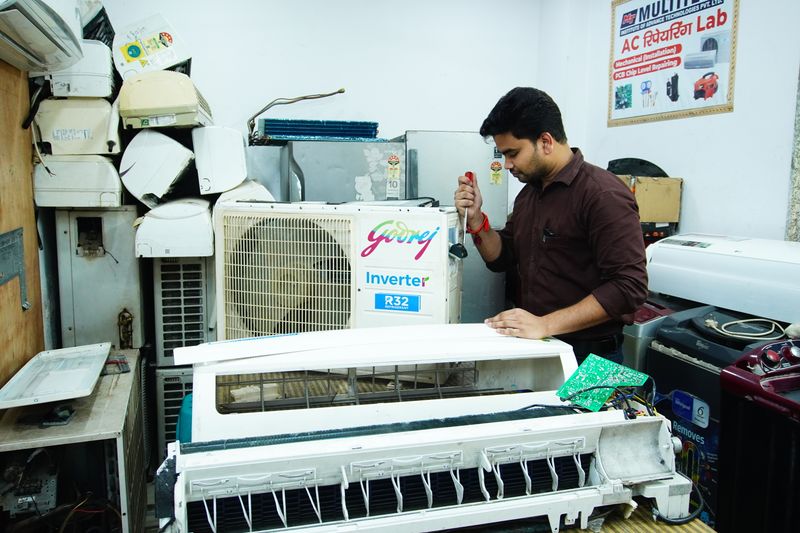
When your air conditioner stops working on a hot summer day, it can quickly turn from a minor inconvenience into a major problem. Understanding the most common AC issues and how to address them can save you time, money, and discomfort.
AC Not Turning On
If your air conditioner will not start at all, the issue often traces back to the power supply or thermostat.
Check the thermostat first. Make sure it is set to “cool” and the temperature is set lower than the current room temperature. Replace the batteries if the display is blank. If you have a smart thermostat, verify that it is connected to Wi-Fi and the schedule is active.
Inspect the circuit breaker. Locate your electrical panel and look for a tripped breaker. If the AC breaker is in the middle position, flip it fully off, then back on. If it trips again immediately, do not reset it — this indicates a short circuit or overloaded circuit that requires professional attention.
Examine the disconnect switch. Most outdoor AC units have a disconnect box mounted on the wall near the unit. Make sure the switch is in the “on” position.
Weak or Warm Airflow
When your AC runs but the air coming from the vents is weak or not cold, several components could be to blame.
Dirty Air Filter
A clogged air filter is the single most common cause of poor AC performance. When the filter is loaded with dust and debris, airflow drops dramatically and the system cannot cool your home effectively.
Check your filter monthly and replace it at least every 90 days — more often if you have pets, allergies, or live in a dusty area. A clean filter not only restores airflow but also improves energy efficiency by 5 to 15 percent. The Filtrete 1500 MPR Smart Air Filter is available in all standard sizes and provides superior particle capture without restricting airflow.
Frozen Evaporator Coil
If you notice ice building up on the indoor unit or the refrigerant lines, the evaporator coil has frozen. This typically happens because of restricted airflow (dirty filter) or low refrigerant. Turn off the AC and let the ice melt completely before restarting. Replace the filter and monitor the system. If it freezes again, you likely have a refrigerant leak that needs professional repair.
Blocked or Leaky Ductwork
Inspect visible ductwork for gaps, disconnections, or damage. Leaky ducts can lose 20 to 30 percent of conditioned air before it reaches your living spaces. Seal small gaps with foil tape or mastic sealant. For significant duct issues, contact an HVAC technician.
Strange Noises
Your AC should produce a consistent, relatively quiet hum during operation. Unusual sounds are warning signs.
- Banging or clanking — A loose or broken component inside the compressor. Shut the system off immediately to prevent further damage.
- Squealing — Often a worn blower belt or motor bearing issue. Belt replacements are straightforward; motor problems may require professional service.
- Hissing — Could indicate a refrigerant leak. Refrigerant leaks reduce cooling capacity and can damage the compressor over time.
- Clicking — Repeated clicking from the outdoor unit usually points to a failing capacitor or electrical relay.
Water Leaking Around the Unit
The indoor portion of your AC produces condensation as it cools the air. This water normally drains through a condensate drain line. When that line clogs with algae, dirt, or debris, water backs up and overflows.
To clear a clogged drain line:
- Locate the drain line — it is typically a PVC pipe near the indoor air handler.
- Use a wet/dry vacuum to suck out the clog from the outdoor end of the pipe. A RIDGID 6-gallon Wet/Dry Vacuum provides enough suction to clear most residential drain lines effectively.
- Pour a mixture of one cup bleach and one gallon of water through the line to kill algae and prevent future clogs.
- Repeat this preventive flush every three to six months.
AC Cycling On and Off Frequently
Short cycling — when the AC turns on and off every few minutes — stresses the compressor and wastes energy. Common causes include:
- Oversized unit — An AC that is too large for the space cools the air too quickly, satisfies the thermostat, and shuts down before properly dehumidifying the room.
- Low refrigerant — The system cannot maintain the pressure needed for steady operation.
- Dirty condenser coils — The outdoor unit cannot release heat efficiently, causing the system to overheat and shut down.
Clean the outdoor condenser coils by gently hosing them down. Remove leaves, grass, and debris from around the unit, maintaining at least two feet of clearance on all sides.
When to Call a Professional
While many basic AC problems are manageable for handy homeowners, certain situations require a licensed HVAC technician:
- Refrigerant leaks and recharging
- Electrical component failures (capacitors, contactors, compressors)
- Compressor replacement
- Ductwork redesign or major repairs
- Repeated short cycling that does not resolve with basic troubleshooting
Working with refrigerant requires EPA certification and specialized equipment. Attempting to handle refrigerant without proper training is illegal and dangerous.
Preventive Maintenance Tips
The best way to avoid AC problems is to maintain your system regularly:
- Replace air filters on schedule
- Schedule professional tune-ups each spring before cooling season
- Keep the outdoor unit clean and unobstructed
- Clear the condensate drain line quarterly
- Test the system early in the season so you have time to address issues before the heat arrives
A well-maintained air conditioner lasts 15 to 20 years and operates at peak efficiency throughout its service life. Regular maintenance costs a fraction of emergency repairs and keeps your home comfortable year after year.
See Also
- How to Clean AC Drain Lines — step-by-step instructions for preventing one of the most common AC issues
- Summer AC Preparation Checklist — get your system ready before the hot season hits
- DIY vs Professional HVAC Repairs — know exactly which repairs to handle yourself and which to leave to a licensed tech
- What Size Air Conditioner Do I Need? — if short cycling or poor performance points to a sizing problem, this guide can help

Mike Hartley
HVAC Expert & Founder of ThermalTechPro