How to Improve Indoor Air Quality
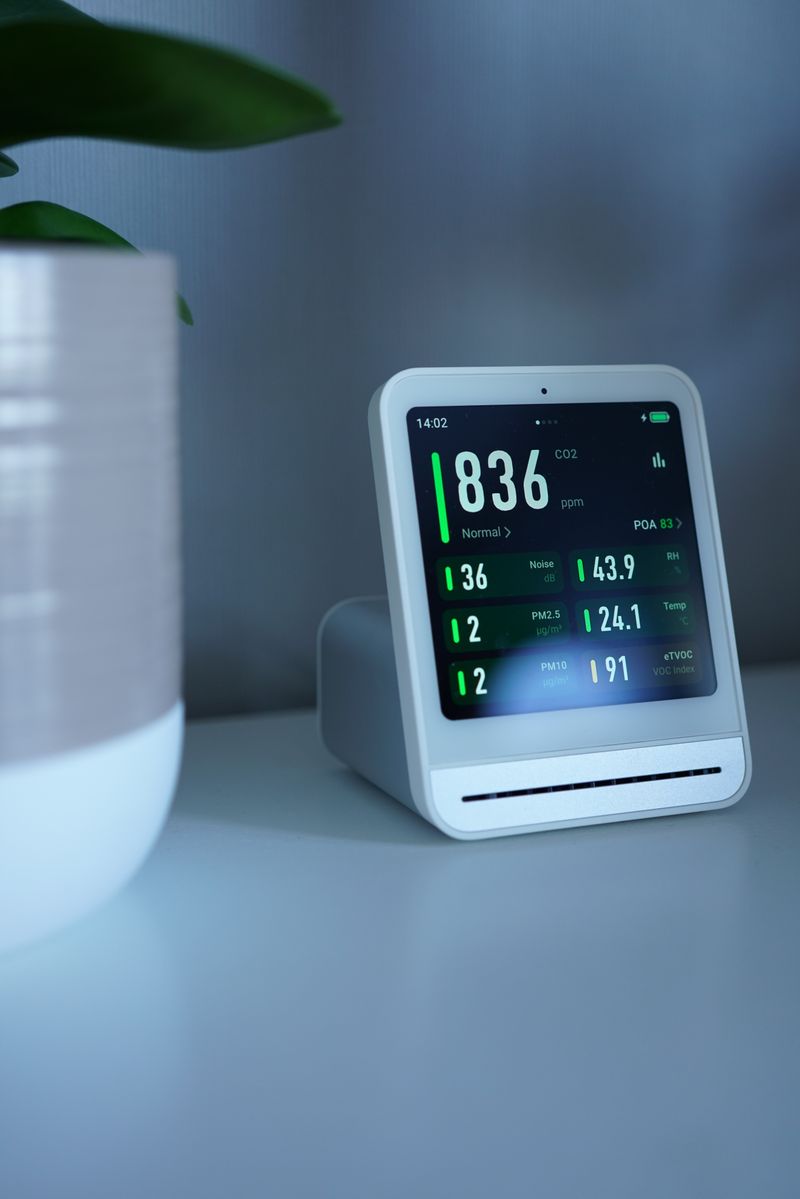
Indoor air quality is not solved by one product. Cleaner indoor air comes from three layers working together: source control, ventilation, and filtration. HVAC equipment can help, but the best results usually come from reducing pollutants at the source before trying to filter or dilute them.
The Environmental Protection Agency has long emphasized that indoor air can contain pollutants from building materials, cleaning products, combustion appliances, moisture, pets, dust, outdoor air, and occupant activities. Because people spend so much time indoors, small improvements in daily habits and HVAC maintenance can make a noticeable difference.
Start with the three-part IAQ strategy
| Strategy | What it does | Examples |
|---|---|---|
| Source control | Reduces pollutants before they enter the air | Fix leaks, avoid indoor smoking, store chemicals outside living space |
| Ventilation | Dilutes indoor pollutants with outdoor air | Exhaust fans, open windows, ERV or HRV systems |
| Filtration | Captures airborne particles | HVAC filters, portable HEPA cleaners, whole-house air cleaners |
Do not skip source control. A stronger filter will not solve an active moisture problem, a backdrafting furnace, or chemicals stored in a living area.
Common indoor air pollutants
Particles
Particles include dust, pollen, pet dander, smoke, soot, mold spores, and fine particulate matter from cooking or outdoor pollution. Filters and air cleaners are most useful for this category.
Volatile organic compounds
VOCs can come from paints, stains, adhesives, cleaners, air fresheners, pressed wood products, new carpets, and some furniture. The best control is choosing low-VOC products and ventilating during and after use.
Moisture and biological contaminants
Mold, mildew, bacteria, and dust mites thrive when moisture is uncontrolled. Indoor humidity that stays too high can create odor, visible growth, and respiratory irritation for sensitive occupants.
Combustion pollutants
Gas furnaces, boilers, water heaters, fireplaces, and gas stoves can produce carbon monoxide, nitrogen dioxide, and other combustion byproducts if they are poorly vented or malfunctioning.
Radon
Radon is a naturally occurring radioactive gas that can enter homes through soil and foundation openings. It requires testing because you cannot see or smell it.
Source control: remove or reduce the cause
Control moisture
Moisture control is the foundation of indoor air quality.
Aim for indoor relative humidity around 30 to 50 percent when practical. Use bathroom fans during showers and for at least 20 to 30 minutes afterward. Run a range hood while cooking. Repair roof leaks, plumbing leaks, foundation water, and condensate drain problems promptly.
If a basement stays damp, a properly sized dehumidifier can help. If an AC cools the home but leaves it clammy, the system may be oversized, airflow may be too high, or runtime may be too short.
Reduce chemical sources
- Choose low-VOC paints, sealants, and adhesives.
- Avoid storing gasoline, solvents, pesticides, and paint cans in living spaces.
- Use fragrance-free or lower-emission cleaning products.
- Ventilate during painting, flooring work, and new furniture off-gassing.
- Avoid masking odors with air fresheners instead of fixing the cause.
Improve combustion safety
Have fuel-burning equipment inspected annually. Install carbon monoxide alarms on every level and near sleeping areas. If an alarm sounds, leave the home and call emergency services.
A smart alarm such as the Google Nest Protect Smoke and CO Alarm can send phone alerts, but any listed carbon monoxide alarm installed correctly is better than none.
For more on combustion risks, see carbon monoxide and HVAC safety.
Ventilation: dilute what remains
Ventilation replaces stale indoor air with outdoor air. It is especially important in tighter homes where natural leakage is low.
Spot ventilation
Use local exhaust where pollutants are generated:
- Bathroom fans for showers and baths
- Range hoods while cooking
- Laundry exhaust for dryers
- Exhaust fans in workshops or hobby areas
Range hoods should exhaust outdoors when possible. Recirculating hoods with charcoal filters help with odor but do not remove moisture and combustion byproducts as effectively.
Natural ventilation
Opening windows can help when outdoor air is clean and weather allows. Avoid relying on open windows during wildfire smoke, high pollen, high humidity, or heavy outdoor pollution.
Balanced mechanical ventilation
Energy recovery ventilators (ERVs) and heat recovery ventilators (HRVs) bring in outdoor air while exhausting stale indoor air. They exchange heat, and ERVs also exchange some moisture, reducing the energy penalty compared with open windows.
ASHRAE Standard 62.2 is the commonly referenced residential ventilation standard in the United States. A qualified HVAC contractor or energy professional can calculate ventilation needs and verify whether your home has enough outdoor air.
Filtration: choose the right tool
HVAC filters
Most forced-air systems use filters primarily to protect equipment. Better filters can also reduce airborne particles if the system can handle the airflow resistance.
For many homes, MERV 8 to MERV 12 is a good range. MERV 13 can capture smaller particles but may be too restrictive for some systems without a larger filter cabinet or blower adjustment. If you upgrade filtration and notice weak airflow, noise, or short cycling, have static pressure measured.
See HVAC Filter Guide: Types and Replacement Schedules for details.
Portable HEPA air cleaners
Portable HEPA air cleaners are effective for bedrooms, nurseries, home offices, and living rooms. Look for a Clean Air Delivery Rate (CADR) appropriate for the room size. A unit that is too small will run constantly and still underperform.
The Levoit Core 300 Air Purifier is a compact option for smaller rooms, but size the air cleaner to the space rather than buying by brand alone.
Whole-house air cleaners
Media air cleaners, electronic air cleaners, and dedicated HEPA bypass systems can improve filtration across a forced-air home. They should be installed with attention to airflow and service access.
Avoid ozone-generating air cleaners. Ozone is a lung irritant and should not be intentionally produced in occupied spaces.
HVAC maintenance for better air quality
Your HVAC system can either help indoor air quality or spread pollutants.
Maintenance priorities:
- Replace filters on schedule.
- Keep return grilles clean.
- Seal return leaks in attics, crawl spaces, and garages.
- Clean evaporator coils and drain pans when dirty.
- Keep condensate drains clear.
- Maintain indoor humidity.
- Avoid running the fan continuously if ducts are leaky or in dirty spaces.
- Have combustion equipment inspected annually.
Duct cleaning is not automatically required for good indoor air. Consider it when there is visible mold, pest contamination, heavy debris, or dust blowing from registers. See how to tell if your ducts need cleaning.
Room-by-room IAQ checklist
Bedroom
- Use a right-sized portable HEPA cleaner if allergies or smoke are concerns.
- Wash bedding regularly.
- Keep humidity below levels that support dust mites and mold.
- Avoid scented plug-ins and heavy fragrances.
Bathroom
- Run the exhaust fan during and after showers.
- Fix caulk, grout, and plumbing leaks.
- Clean visible mildew promptly.
- Confirm the fan exhausts outdoors, not into the attic.
Kitchen
- Use the range hood while cooking.
- Prefer back burners when the hood captures them better.
- Keep filters clean.
- Ventilate during high-heat cooking.
Basement or crawl space
- Control bulk water first.
- Use a dehumidifier where needed.
- Seal obvious air leaks to living areas.
- Avoid storing chemicals near return ducts.
Sources and further reading
- EPA: Indoor air quality
- EPA: Improving indoor air quality
- EPA: Guide to air cleaners in the home
- ASHRAE: Standard 62.2
Related articles
- Whole House Air Purifier vs Portable Air Purifier
- HVAC Filter Guide
- How to Tell If Your Ducts Need Cleaning
- Carbon Monoxide and HVAC Safety
Bottom line
Improve indoor air quality in the right order: remove pollutant sources, control moisture, ventilate where needed, and filter particles with equipment your HVAC system can support. No single device fixes every IAQ problem, but consistent source control, ventilation, filtration, and maintenance can make the air in your home cleaner and more comfortable.

ThermalTechPro Editorial Team
Independent trade-focused editorial team