Winter HVAC Preparation Checklist
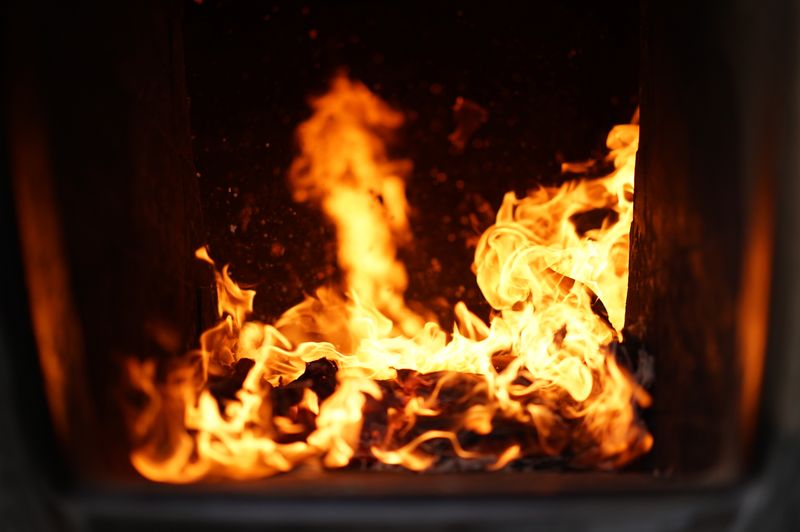
Winter HVAC preparation is about reliability and safety. A heating system that struggles in October may fail in January, when service calls take longer and frozen-pipe risk is real. A dirty furnace, weak blower, blocked vent, or misconfigured heat pump can also waste energy all season.
Use this checklist before the first hard freeze. It covers gas furnaces, heat pumps, boilers, ductwork, thermostats, and the building details that affect heating performance.
Winter preparation at a glance
| Task | Homeowner or pro? | Best timing |
|---|---|---|
| Replace filter and clear vents | Homeowner | Early fall, then monthly checks |
| Test thermostat and heating mode | Homeowner | Before first cold snap |
| Test carbon monoxide alarms | Homeowner | Early fall and monthly |
| Clear furnace and boiler area | Homeowner | Early fall |
| Inspect accessible ducts | Homeowner/pro | Early fall |
| Heating tune-up | Professional | Early to mid fall |
| Combustion and venting checks | Professional | Annual service |
| Heat pump defrost and auxiliary heat check | Professional | Before freezing weather |
1. Replace the air filter
Start heating season with a clean filter. In forced-air furnaces and ducted heat pumps, airflow is central to performance and safety. A clogged filter can reduce comfort, increase runtime, strain the blower, and cause a furnace to trip on high temperature.
Check 1-inch filters monthly during heating season. Replace them when dirty. Thick media filters last longer, but they still need inspection.
Choose a MERV rating your system can handle. Many residential systems do well with MERV 8 to MERV 12 filters. If a higher-MERV filter causes weak airflow, whistling, or frequent cycling, ask a technician to measure static pressure.
See HVAC Filter Guide: Types and Replacement Schedules for filter selection details.
2. Test heat before you need it
On a mild fall day, switch the thermostat to heat and set the temperature a few degrees above room temperature. Let the system run for at least 15 minutes.
For a furnace, verify:
- The inducer or draft motor starts normally.
- Ignition occurs without a loud boom.
- Warm air reaches supply registers.
- The system runs steadily rather than short cycling.
- There are no persistent burning, gas, or electrical odors.
For a heat pump, verify:
- The outdoor unit runs in heating mode.
- Supply air is warm, though usually not as hot as furnace air.
- The thermostat does not immediately call for auxiliary heat in mild weather.
- The outdoor fan and indoor blower run smoothly.
A dusty smell during the first short furnace run can be normal. A gas odor, burning electrical smell, or repeated ignition problem is not.
3. Schedule professional heating service
Annual service is especially important for fuel-burning equipment because combustion and venting problems can create carbon monoxide risk.
A furnace tune-up should include:
- Burner and ignition inspection
- Flame sensor inspection or cleaning where appropriate
- Gas pressure and combustion checks where applicable
- Heat exchanger inspection where accessible
- Temperature rise measurement
- Blower and motor inspection
- Electrical connection testing
- Limit switch and safety control testing
- Flue and venting inspection
- Filter and return airflow review
For heat pumps, service should include:
- Outdoor coil inspection
- Defrost control verification
- Refrigerant performance checks
- Airflow and static pressure review
- Auxiliary heat staging test
- Electrical component testing
- Thermostat configuration review
Ask the technician to document readings. That history helps diagnose future changes before they become failures.
4. Check carbon monoxide alarms
Carbon monoxide is odorless and dangerous. Any home with a gas furnace, boiler, water heater, fireplace, attached garage, or other combustion appliance needs working CO alarms.
Place alarms:
- On every level of the home
- Near sleeping areas
- According to the manufacturer’s placement instructions
- Away from areas where nuisance alarms are likely, unless the manufacturer directs otherwise
Test alarms monthly and replace them at the end of their listed service life. Some models use sealed 10-year batteries. The Google Nest Protect Smoke and CO Alarm adds phone alerts, but correct placement and replacement timing matter more than smart features.
If a CO alarm sounds, leave the home and call emergency services. Do not open windows and stay inside trying to diagnose the problem.
5. Clear the equipment area
Furnaces, boilers, and water heaters need service access and safe surroundings. Do not store paint, gasoline, solvents, cardboard, laundry, cat litter, or household chemicals around heating equipment.
Maintain clear space around:
- Burner compartments
- Return air openings
- Combustion air openings
- Flue pipes
- Condensate pumps
- Electrical disconnects
- Service panels
If the furnace is in a closet, make sure louvered doors or combustion air openings are not blocked.
6. Inspect vents, flues, and intake/exhaust pipes
High-efficiency furnaces often use plastic intake and exhaust pipes through a side wall. Snow, leaves, nests, or ice can block them. Older furnaces may use metal flues that need proper slope, secure joints, and corrosion-free sections.
Homeowners can visually check for obvious blockage or damage, but do not disassemble venting unless trained.
Call a professional if you see:
- Rust holes or corrosion on metal flue pipe
- Sagging or disconnected vent sections
- Condensation dripping from vent joints
- Plastic vent pipes that are loose or damaged
- Soot near equipment
- Burner flame rollout marks
7. Prepare heat pump outdoor units
Heat pumps need airflow in winter, so do not cover the outdoor unit. Instead:
- Clear leaves and debris around the base.
- Trim vegetation back.
- Make sure the unit is level.
- Keep snow from blocking the sides.
- Avoid piling shoveled snow against it.
- Keep gutters from draining onto the unit.
Some frost on the outdoor coil is normal. Thick ice that does not clear during defrost is a service issue.
8. Seal drafts and check insulation
Heating equipment works harder when the home leaks air. Before winter, inspect:
- Attic hatch weatherstripping
- Door sweeps
- Window locks and weatherstripping
- Gaps around plumbing and wiring penetrations
- Rim joists in basements
- Fireplace dampers
- Duct boots at floors and ceilings
Air seal before adding insulation. Be careful around flues, chimneys, recessed lights, and old wiring. Use fire-rated materials where required.
For more savings strategies, see how to lower your heating bill.
9. Inspect ducts and registers
Walk the home and verify that supply registers and returns are open and clear. In basements, crawl spaces, attics, and garages, look for disconnected ducts, crushed flex duct, missing insulation, or gaps at joints.
Do not close a large number of registers to save heat. It can increase static pressure and reduce furnace airflow. If rooms are uneven, the better fix is duct balancing, sealing, insulation, or zoning.
10. Protect plumbing during cold weather
HVAC preparation and freeze prevention overlap. If you lower the thermostat during travel, keep it high enough to protect plumbing. Open cabinet doors at sinks on exterior walls during extreme cold. Insulate exposed pipes in unconditioned areas.
If the home has hydronic heating, ask your boiler technician about system pressure, expansion tank condition, freeze protection, and whether any glycol mixture needs testing.
Sources and further reading
- ENERGY STAR: Maintenance checklist
- EPA: Carbon monoxide’s impact on indoor air quality
- Department of Energy: Furnaces and boilers
- Department of Energy: Heat pump systems
Related articles
- HVAC Maintenance Checklist for Homeowners
- How to Lower Your Heating Bill
- Signs It Is Time to Replace Your Furnace
- Carbon Monoxide and HVAC Safety
Bottom line
Winter HVAC preparation should happen before cold weather arrives. Replace filters, test heat early, clear equipment areas, verify CO alarms, inspect accessible ducts, and schedule professional service for combustion, electrical, airflow, and heat pump defrost checks. That preparation improves comfort and reduces the chance of an expensive mid-winter failure.

ThermalTechPro Editorial Team
Independent trade-focused editorial team