Understanding HVAC Efficiency Ratings: SEER, AFUE, and HSPF
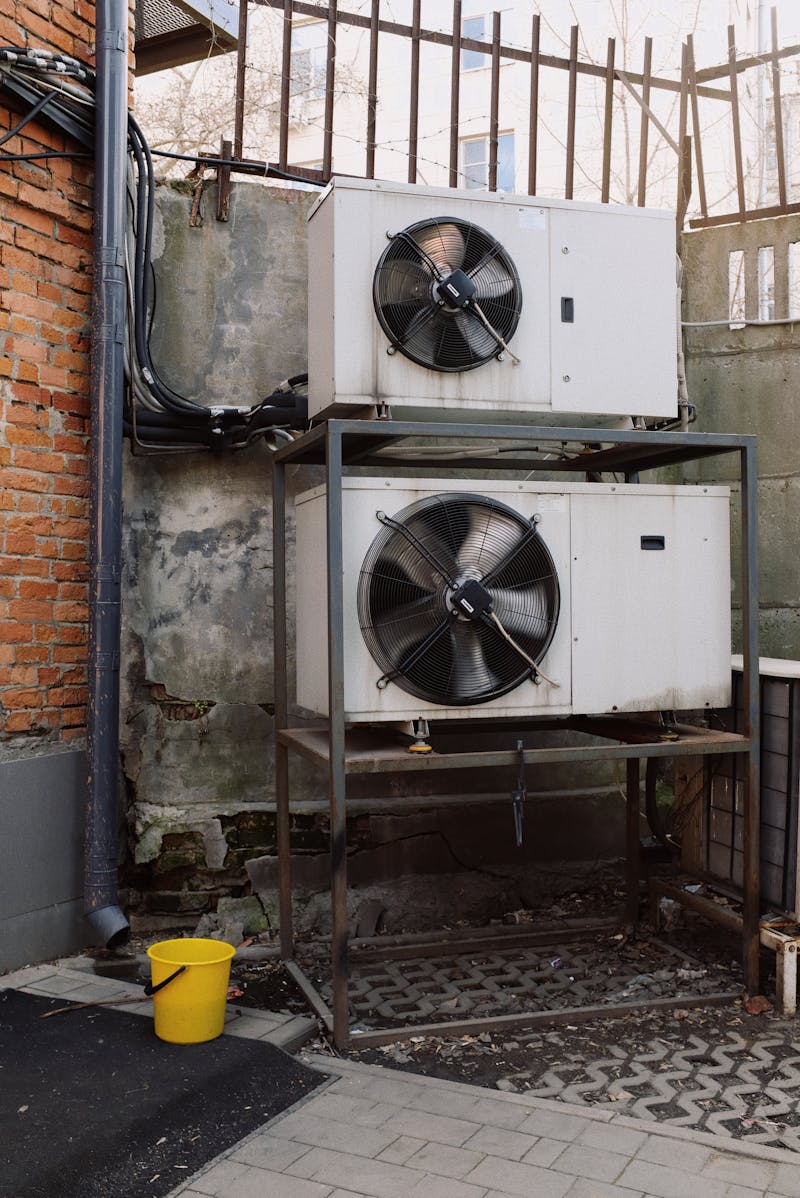
HVAC efficiency ratings can look like alphabet soup: SEER2, EER2, AFUE, HSPF2, COP, and sometimes older labels such as SEER or HSPF. These numbers matter because they affect operating cost, rebate eligibility, comfort, and sometimes even which equipment can legally be installed in your region.
But efficiency ratings are not magic. They are lab-tested comparisons under defined conditions. Real-world performance still depends on sizing, ductwork, airflow, refrigerant charge, thermostat setup, maintenance, insulation, and local weather.
This guide explains what each HVAC efficiency rating means, how to compare systems fairly, and when a higher number is worth paying for.
Quick reference table
| Rating | Applies to | What it measures | Higher is better? |
|---|---|---|---|
| SEER2 | Central AC and heat pump cooling | Seasonal cooling efficiency | Yes |
| EER2 | Central AC and heat pump cooling | Cooling efficiency at a fixed high-load condition | Yes |
| HSPF2 | Heat pump heating | Seasonal heating efficiency | Yes |
| AFUE | Furnaces and boilers | Fuel converted to usable heat | Yes |
| COP | Heat pumps and geothermal | Heat output divided by energy input at a specific condition | Yes |
| MERV | Air filters | Particle capture efficiency | Usually, but airflow matters |
The most important rule: compare the same rating type. Do not compare an older SEER number with a newer SEER2 number as if they are identical.
SEER2: seasonal cooling efficiency
SEER2 stands for Seasonal Energy Efficiency Ratio 2. It measures the total cooling output of an air conditioner or heat pump over a representative cooling season divided by the electricity consumed. A higher SEER2 rating means the system produces more cooling per watt-hour.
SEER2 replaced the older SEER test procedure for new residential central air conditioners and heat pumps. The updated test better reflects real duct system conditions by using higher external static pressure. Because of that change, SEER2 ratings are generally lower than old SEER ratings for comparable equipment.
In practical terms:
- A 14.3 SEER2 system is a baseline efficiency unit in many southern applications.
- A 16 to 17 SEER2 system is a common mid-efficiency choice.
- An 18+ SEER2 system may make sense in hot climates or for homeowners with high cooling runtime.
- Ultra-high SEER2 systems often cost much more and need a longer ownership period to pay back.
SEER2 is most valuable in climates where cooling runs many months per year. In mild climates, the annual savings from moving from mid-tier to premium equipment may be modest.
EER2: hot-weather cooling efficiency
EER2 measures cooling efficiency at a specific test condition rather than across a season. It is especially useful in very hot climates because it gives a clearer picture of performance during high-load conditions.
If you live in Phoenix, Las Vegas, inland Southern California, Texas, or another area with long stretches of extreme heat, do not look only at SEER2. Ask for EER2 as well. A system with excellent seasonal efficiency but weaker high-temperature performance may not be the best match for peak summer comfort.
EER2 also matters for some utility rebates, local energy programs, and building performance requirements.
AFUE: furnace and boiler fuel efficiency
AFUE stands for Annual Fuel Utilization Efficiency. It applies to furnaces and boilers that burn natural gas, propane, or oil. AFUE is expressed as a percentage.
An 80 percent AFUE furnace converts about 80 percent of the fuel’s energy into usable heat under the test method, while about 20 percent is lost through exhaust and other losses. A 96 percent AFUE furnace converts about 96 percent into usable heat.
Common AFUE categories:
| AFUE | Equipment type | Notes |
|---|---|---|
| 80% | Non-condensing gas furnace | Uses metal venting, common in older homes |
| 90%-95% | Condensing furnace | Uses sealed combustion and drains condensate |
| 96%+ | High-efficiency condensing furnace | Higher cost, lower fuel waste |
High-AFUE equipment can reduce fuel use, but it may require venting changes. Condensing furnaces usually vent through PVC or approved plastic venting, produce acidic condensate, and need a proper drain or condensate pump. Installation details matter as much as the rating.
If your existing 80 percent furnace shares a metal flue with a water heater, replacing the furnace with a sealed-combustion condensing model can change venting requirements for the remaining appliance. A licensed contractor should evaluate the whole combustion and venting setup.
HSPF2: heat pump heating efficiency
HSPF2 stands for Heating Seasonal Performance Factor 2. It measures heat pump heating output over a season divided by electricity consumed. Like SEER2, it uses an updated test procedure compared with the older HSPF rating.
HSPF2 is critical if a heat pump will provide most of your winter heating. A higher HSPF2 system can reduce heating cost, especially when paired with good controls that avoid unnecessary auxiliary heat.
When comparing heat pumps, also ask about:
- Heating capacity at low outdoor temperatures
- COP at 5 degrees F, 17 degrees F, and 47 degrees F where available
- Whether the model is rated as a cold-climate heat pump
- Defrost strategy and auxiliary heat staging
- Compatibility with your thermostat and ductwork
Do not choose a heat pump based only on cooling efficiency if you expect it to heat the home through winter. A system can have a strong SEER2 rating but only average low-temperature heating performance.
COP: coefficient of performance
COP is a simple ratio: heat output divided by energy input at a specific operating condition. A COP of 3 means the heat pump delivers three units of heat for every one unit of electricity.
COP is useful because it explains why heat pumps can be so efficient. Electric resistance heat has a COP near 1. A heat pump can often deliver a COP above 2 or 3 in moderate weather. Ground-source heat pumps can reach higher COP values because the ground temperature is more stable than outdoor air.
The limitation is that COP changes with conditions. A heat pump’s COP is higher on a 45 degree day than on a 5 degree day. When comparing equipment, make sure the COP values are measured at the same outdoor and indoor conditions.
Efficiency is not the same as operating cost
Efficiency ratings tell you how well equipment uses energy, but operating cost depends on energy prices and runtime.
For example:
- A high-efficiency gas furnace can be inexpensive to operate where natural gas is cheap.
- A heat pump can be cheaper than a gas furnace where electricity is low-cost or winter temperatures are mild.
- An ultra-efficient AC may not save much in a coastal climate with limited cooling hours.
- Poor ductwork can make any efficient system expensive to run.
Before paying a large premium for efficiency, estimate annual savings using local utility rates. Your contractor, utility, or home energy auditor may be able to model this. If solar is part of the plan, our solar-powered air-conditioning guide explains how to connect equipment input and cooling kWh to a location-specific PV estimate. Payback is strongest when the system runs many hours per year and energy prices are high.
Installation factors that affect real performance
Even highly rated equipment can perform poorly if installation is weak. Pay attention to:
Sizing
Correct sizing starts with a Manual J load calculation. Oversized equipment may short cycle, remove less humidity, and wear out sooner. Undersized equipment may run constantly during design conditions.
Ductwork
Leaky or undersized ducts reduce delivered efficiency. Ducts in attics and crawl spaces should be sealed and insulated. Return duct capacity is just as important as supply duct capacity.
Airflow
Air conditioners, heat pumps, and furnaces require a specified airflow range. Low airflow can freeze coils, trip limits, reduce efficiency, and damage compressors or heat exchangers.
Refrigerant charge
Incorrect refrigerant charge reduces capacity and efficiency. Refrigerant work requires EPA certification and should be verified with manufacturer-approved charging procedures.
Controls
Smart thermostats can help, but wrong staging or heat pump auxiliary settings can waste energy. For heat pumps, thermostat configuration is part of the efficiency picture.
How to read an HVAC estimate
A strong written estimate should list the exact model numbers and efficiency ratings for the matched system. For split systems, the outdoor unit, indoor coil, air handler, or furnace all affect certified ratings.
Ask for:
- SEER2, EER2, and HSPF2 for air conditioners and heat pumps
- AFUE for furnaces and boilers
- AHRI reference number or matched-system documentation
- Manual J load calculation results
- Duct and airflow notes
- Warranty and rebate eligibility
If an estimate says “16 SEER” without specifying SEER2 or model numbers, ask for clarification.
Sources and further reading
- Department of Energy: Central air conditioners
- Department of Energy: Furnaces and boilers
- Department of Energy: Heat pump systems
- AHRI Directory of Certified Product Performance
- ENERGY STAR: Heating and cooling products
Related articles
- How to Choose the Right HVAC System for Your Home
- How Heat Pumps Work and When to Consider One
- Energy-Efficient HVAC Upgrades
Bottom line
HVAC efficiency ratings are valuable comparison tools, but they are only one part of the buying decision. Match the rating to your climate, compare certified matched systems, insist on proper sizing, and fix duct or airflow problems before expecting a high-efficiency system to deliver high-efficiency results.

ThermalTechPro Editorial Team
Independent trade-focused editorial team