Whole-House Dehumidifier Cost: Is It Worth It?
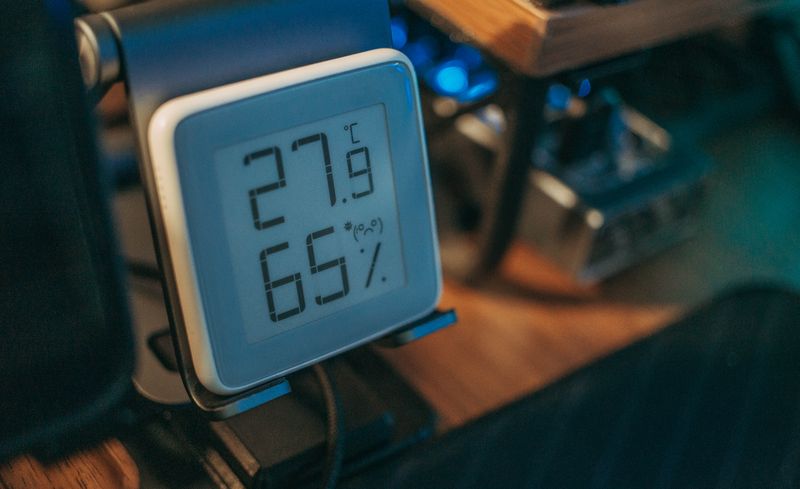
If your air conditioner cools the house but the rooms still feel sticky, the problem may not be temperature. It may be relative humidity. A home at 74°F and 60% humidity can feel warmer, smell mustier, and grow mold more easily than a home at the same temperature with humidity under control.
A whole-house dehumidifier solves that problem at the HVAC system level. Instead of emptying buckets or running several portable units, it connects to the ductwork, removes moisture from return air, and drains automatically. The upgrade is not cheap, but in humid climates, tight modern homes, finished basements, and houses with moisture-prone crawlspaces, it can be one of the most noticeable indoor air quality improvements you can make.
How Much Does a Whole-House Dehumidifier Cost?
Most whole-house dehumidifier installations cost $1,500 to $3,500 installed. Simple installations tied into accessible ductwork land near the lower end. Larger units, dedicated return ducts, condensate pumps, crawlspace work, and difficult access can push the project higher.
Here is a practical budgeting range:
| Project Type | Typical Installed Cost |
|---|---|
| Small whole-home unit, simple duct tie-in | $1,500-$2,300 |
| Mid-size 90-100 pint unit | $2,000-$3,000 |
| Large 120+ pint unit or complex ducting | $2,800-$4,000+ |
| Basement or crawlspace-only permanent unit | $1,200-$3,000 |
| Portable dehumidifier for one area | $250-$500 |
The installed price usually includes the dehumidifier, duct collars, drain connection, controls, electrical work, startup, and basic materials. It may not include drywall repair, long duct runs, permit fees, or crawlspace encapsulation.
What Drives the Price?
Capacity: Whole-house units are commonly rated around 70 to 130 pints per day. Larger homes, humid climates, basements, and homes with outdoor-air ventilation may need more capacity.
Ductwork layout: The least expensive installation usually ties into the HVAC return or supply plenum. More expensive installations use a dedicated return duct, which can improve performance but requires more labor and materials.
Drainage: The simplest setup uses gravity drainage to a floor drain, condensate drain, sump, or laundry standpipe. If gravity drainage is not possible, a condensate pump usually adds $150 to $500.
Controls and access: Wall-mounted humidity controls, smart thermostat integration, attic installs, crawlspace work, and crowded utility closets all add time.
Whole-House vs. Portable Dehumidifier
A portable dehumidifier is still the right answer for many homes. If your only issue is a damp laundry room or a basement corner, a portable unit with a continuous drain may solve the problem for a few hundred dollars.
A whole-house system makes more sense when humidity is a whole-home comfort problem.
| Feature | Portable Dehumidifier | Whole-House Dehumidifier |
|---|---|---|
| Best For | One room, basement, occasional use | Whole-home humidity control |
| Cost | $250-$500 | $1,500-$3,500+ installed |
| Drainage | Bucket, hose, or small pump | Permanent drain |
| Noise | In the room | Usually near HVAC equipment |
| Maintenance | Frequent filter and bucket checks | Filter and annual inspection |
| Comfort Impact | Localized | Whole-home |
If a portable unit runs continuously in a basement, read our basement dehumidifier sizing guide before upgrading. If the basement is the only damp area, you may not need a ducted system.
Why AC Alone Does Not Always Control Humidity
Air conditioners remove moisture as a side effect of cooling. Warm indoor air passes over the cold evaporator coil, moisture condenses, and water drains away through the condensate line.
That works well when the AC runs long enough. It works poorly when:
- The air conditioner is oversized and cools the home too quickly
- Outdoor humidity is high but the temperature is only moderately warm
- The house is very tight and traps moisture from showers, cooking, and people
- A basement or crawlspace adds moisture faster than the AC can remove it
- The thermostat is satisfied before enough latent heat is removed
This is why some homes feel clammy at 72°F. The sensible temperature is low enough, but the latent moisture load is still too high. A whole-house dehumidifier can dry the air on mild, muggy days when the AC barely runs.
Ideal Indoor Humidity
The EPA recommends keeping indoor humidity around 30% to 50% to help reduce mold risk and improve comfort. In real homes, most people target 45% to 50% in summer. That range feels comfortable without overdrying the house.
Avoid chasing a very low number. Trying to hold 35% humidity during a humid summer can waste energy and may be unrealistic unless the home is very tight and well sealed. For most homes, setting the dehumidifier around 50% relative humidity is a sensible starting point.
When a Whole-House Dehumidifier Is Worth It
A whole-house dehumidifier is usually worth considering when at least two of these are true:
- Indoor humidity often stays above 55% to 60%
- The home feels cool but sticky during summer
- You smell musty odors near returns, closets, basements, or bedrooms
- Your AC runs short cycles because it is oversized
- You have a finished basement, sealed crawlspace, or below-grade living space
- You live in a humid climate, coastal area, or region with long shoulder seasons
- You have allergy, dust mite, or mold sensitivity concerns
- You want automatic humidity control without portable units
It is less likely to pay off if your humidity only spikes briefly after showers or cooking. In that case, bathroom exhaust fans, kitchen ventilation, air sealing, or a small portable dehumidifier may be enough.
Sizing Guidelines
The right size depends on square footage, air leakage, climate, basement conditions, and how much moisture enters the home. Still, these rules of thumb help frame the conversation:
| Home Size and Moisture Load | Typical Capacity |
|---|---|
| Small home or condo, mild humidity | 70-80 pints/day |
| Average home, moderate humidity | 90-100 pints/day |
| Large home or humid climate | 100-130 pints/day |
| Sealed crawlspace or basement focus | 70-100 pints/day |
Do not size by square footage alone. A 1,800-square-foot home in coastal Florida can need more dehumidification than a larger home in a dry inland climate.
Ask the contractor how they are sizing the unit. A good answer should include climate, building tightness, basement or crawlspace conditions, HVAC runtime, and target humidity.
Installation Options
There are three common ways to install a whole-house dehumidifier:
- Return-to-return: Simple and compact, but the HVAC blower may need to run during dehumidification.
- Return-to-supply: Distributes dry air well when installed according to manufacturer requirements.
- Dedicated return: Often the best-performing arrangement for whole-home comfort complaints, but it costs more.
For any setup, the installer should provide service clearance, a clean drain route, duct insulation where needed, and a way to verify airflow after startup.
Energy Use and Operating Cost
A whole-house dehumidifier is not free to run. Depending on size, runtime, and electricity rates, it may use several hundred kilowatt-hours per humid season. However, better humidity control can also let some homeowners raise the thermostat a degree or two without feeling warmer.
Look for ENERGY STAR certified models. ENERGY STAR notes that certified dehumidifiers use more efficient refrigeration coils, compressors, and fans to remove moisture while using less energy than comparable conventional units.
Efficiency is measured with Integrated Energy Factor (IEF), shown in liters per kilowatt-hour. Higher IEF means the unit removes more water per unit of electricity.
When comparing models, ask for water removal capacity, IEF rating, airflow requirements, filter cost, sound rating, and warranty length.
Models Worth Comparing
Availability varies by region and contractor network, but common lines to compare include AprilAire E-Series, Santa Fe Ultra, and Honeywell Home whole-house dehumidifiers. Compare capacity, drain setup, controls, efficiency, service support, and warranty before choosing.
Should You Install One?
A whole-house dehumidifier is a smart upgrade when humidity affects comfort, air quality, and building materials across the home. It is especially useful for humid climates, oversized AC systems, finished basements, sealed crawlspaces, and homes where the thermostat says “cool” but the air still feels damp.
It is not the first step for every moisture problem. Fix roof leaks, plumbing leaks, drainage issues, missing bathroom exhaust, and open crawlspace vapor problems before relying on mechanical dehumidification. A dehumidifier controls moisture in the air; it should not be asked to solve bulk water intrusion.
For homes with persistent humidity above 55% to 60%, the installed cost can be justified by better comfort, fewer odors, lower mold risk, and less dependence on portable units. Request at least two written estimates and make sure the installer explains why the selected capacity matches your home.
Related Articles

ThermalTechPro Editorial Team
Independent trade-focused editorial team