The Complete HVAC Maintenance Checklist for Homeowners
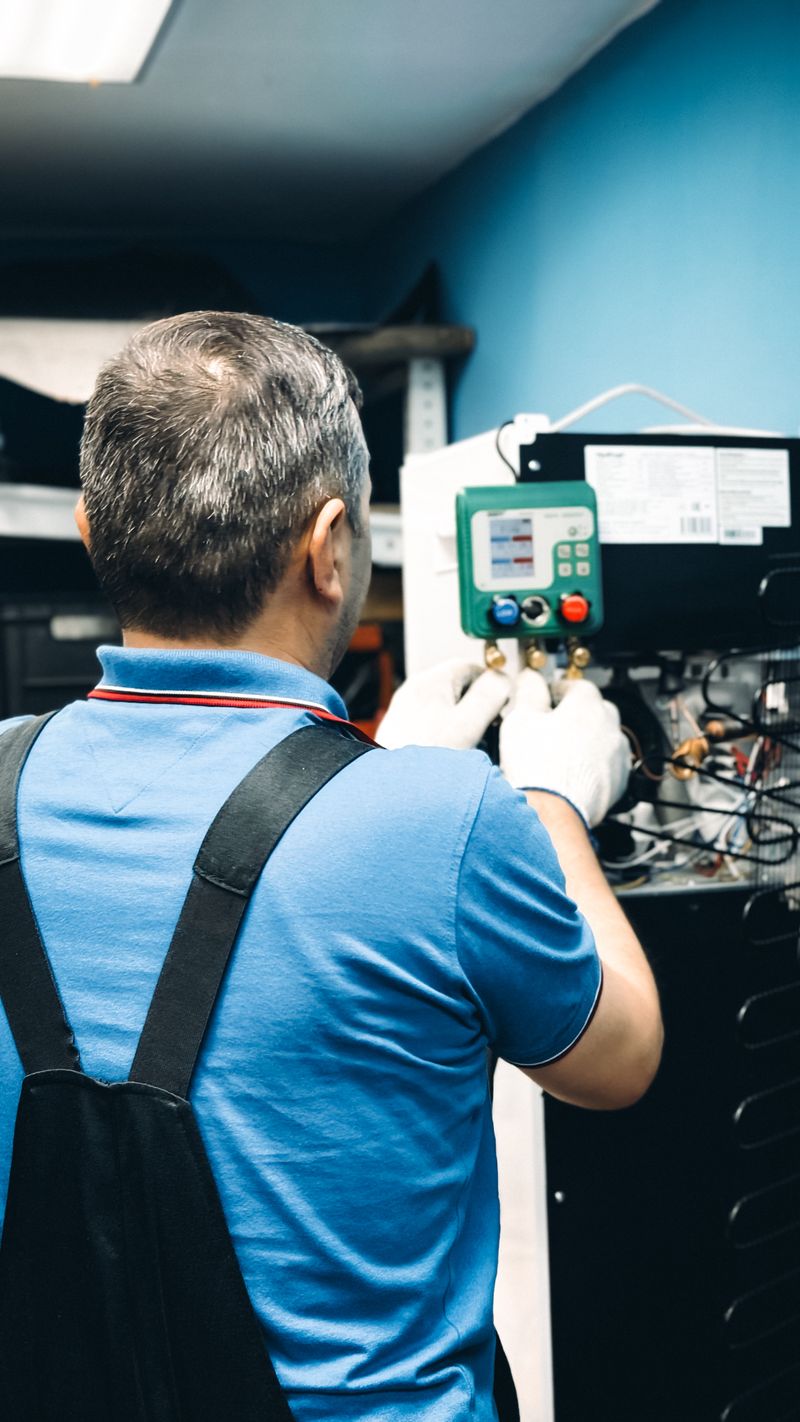
HVAC maintenance is easy to postpone because most of the system is hidden in a closet, basement, attic, or side yard. The problem is that small maintenance misses compound quickly. A dirty filter reduces airflow, a clogged condensate drain can cause water damage, and an ignored combustion issue can become a safety hazard.
This checklist separates tasks homeowners can reasonably handle from work that belongs in a professional tune-up. Use it as a practical calendar for forced-air furnaces, central air conditioners, heat pumps, and ductless systems.
Maintenance schedule at a glance
| Frequency | Homeowner tasks | Professional tasks |
|---|---|---|
| Monthly | Check filter, clear vents, inspect thermostat, listen for unusual operation | None unless symptoms appear |
| Spring | Prepare AC or heat pump for cooling, clean outdoor area, test condensate drain | Cooling tune-up, refrigerant and airflow checks |
| Fall | Prepare furnace or heat pump for heating, test carbon monoxide alarms | Heating tune-up, combustion and safety checks |
| Annually | Review utility bills, inspect accessible ducts, clean registers | Full system inspection and performance verification |
If the system is older, heavily used, or located in a dusty environment, shorten the intervals. Homes with pets, allergies, remodeling dust, or wildfire smoke exposure often need more frequent filter checks.
Monthly homeowner tasks
Check and replace the air filter
The filter protects the blower, coil, heat exchanger, and indoor air. A clogged filter can reduce airflow enough to freeze an evaporator coil in summer or overheat a furnace in winter.
Check 1-inch filters monthly and replace them when they look dirty, even if the package claims a 90-day life. Thicker 4- or 5-inch media filters may last 6 to 12 months, but they still need inspection. Make sure the airflow arrow points toward the blower.
For many residential systems, a pleated MERV 8 to MERV 12 filter is a reasonable balance of filtration and airflow. The Filtrete 1500 MPR Smart Air Filter is a common pleated option, but always confirm your system can handle the filter resistance. If the filter bows, whistles, or causes weak airflow, ask a technician to check static pressure.
Keep supply and return vents open
Walk the home and make sure furniture, rugs, curtains, and storage boxes are not blocking registers or returns. Closing a few registers may feel like a simple way to save energy, but closing too many can raise duct pressure and reduce airflow across the equipment.
Vacuum dusty return grilles and supply registers. Dust at the grille does not automatically mean the ducts need cleaning, but heavy buildup can restrict airflow and make rooms less comfortable.
Watch and listen during a normal cycle
You do not need tools to notice early warning signs. Once a month, stand near the indoor and outdoor equipment during startup and shutdown.
Look for:
- Grinding, scraping, buzzing, or banging noises
- Burning smells after the first short startup of the season
- Water around the indoor unit
- Ice on refrigerant lines or the outdoor coil
- Short cycling, where the system starts and stops rapidly
- Weak airflow from multiple registers
One odd sound does not diagnose the problem, but it tells you to investigate before the system fails during extreme weather.
Spring cooling checklist
Spring maintenance prepares the air conditioner or heat pump for long summer runtimes.
- Turn off power before cleaning. Use the outdoor disconnect and the breaker before touching the condenser cabinet.
- Clear debris around the outdoor unit. Remove leaves, grass clippings, weeds, and stored items. Maintain at least two feet of clearance around the sides and open space above the fan discharge.
- Rinse the condenser coil gently. Use a garden hose with low pressure. Do not use a pressure washer because condenser fins bend easily.
- Check the condensate drain. Confirm the drain line is clear and the pan is not cracked or rusty. If the system has a float switch, test that it shuts the system down when water backs up.
- Test cooling before the first heat wave. Set the thermostat to cool and run the system for 15 to 20 minutes. Supply air should feel cool, airflow should be steady, and the outdoor fan should run smoothly.
A professional cooling tune-up should include coil inspection, blower inspection, refrigerant charge evaluation, electrical testing, capacitor and contactor checks, thermostat verification, condensate drain service, and temperature split or airflow measurement. ENERGY STAR’s maintenance guidance also emphasizes checking controls, electrical connections, lubrication, and condensate drainage.
Fall heating checklist
Fall is the time to verify that the furnace, boiler, or heat pump is safe and ready.
For gas or oil furnaces
- Replace or inspect the air filter.
- Test the thermostat in heat mode before cold weather.
- Make sure the furnace area is clear of paint, gasoline, cardboard, laundry, and stored items.
- Inspect visible vent pipe sections for corrosion, gaps, or sagging.
- Confirm all access panels are in place.
- Test carbon monoxide alarms on every level and near sleeping areas.
Call a professional immediately if you smell gas, see a yellow or unstable burner flame, hear delayed ignition booms, or notice soot around the furnace or registers. Leave the home and call the gas utility or emergency services if you smell gas.
For heat pumps
- Clear leaves and snow-prone debris around the outdoor unit.
- Confirm the outdoor unit is level and drains freely.
- Do not cover the unit for winter; it needs airflow in heating mode.
- Test emergency or auxiliary heat only long enough to confirm operation.
- Ask a technician to verify defrost operation before freezing weather.
Heat pump maintenance is especially important because the same equipment handles both heating and cooling. A performance problem in fall often becomes a comfort problem in January.
Annual professional inspection checklist
Some HVAC tasks require training, test instruments, and safety procedures. A good annual inspection should be more than a quick filter change and visual glance.
Ask whether the visit includes:
- Electrical connection inspection and tightening
- Capacitor, contactor, relay, and control testing
- Blower wheel and motor inspection
- Evaporator and condenser coil inspection
- Refrigerant performance checks for cooling systems and heat pumps
- Temperature rise or temperature split measurement
- Static pressure or airflow verification
- Condensate drain cleaning and pan inspection
- Furnace burner cleaning and ignition testing
- Heat exchanger inspection where accessible
- Combustion analysis for fuel-burning equipment
- Safety switch and limit control testing
For older systems, ask the technician to record readings on the invoice. Static pressure, temperature rise, capacitor readings, and combustion results create a baseline for future diagnosis.
If you are deciding whether to buy recurring service, compare proposals with the HVAC maintenance agreement cost and scope worksheet. It separates named maintenance tasks from repair coverage, excluded charges, priority claims, and renewal terms so similar-looking plans can be compared on the same basis.
Ductwork and airflow maintenance
Ducts affect comfort as much as the equipment does. Once or twice a year, inspect accessible ductwork in basements, crawl spaces, attics, and garages.
Look for:
- Disconnected joints
- Crushed or kinked flex duct
- Missing insulation on ducts in unconditioned spaces
- Gaps at boots where ducts meet floors or ceilings
- Black dust streaks near joints, which may indicate leakage
- Condensation on duct surfaces
Seal small accessible leaks with mastic or UL 181-rated foil tape. Avoid cloth duct tape. If ducts are inaccessible or rooms are far out of balance, a contractor can test duct leakage and measure airflow.
See how to seal HVAC ductwork and how to tell if your ducts need cleaning for deeper duct-specific guidance.
Maintenance for ductless mini-splits
Ductless systems need different attention because each indoor head has its own filter and coil.
- Clean washable filters every 4 to 6 weeks during heavy use.
- Keep furniture and curtains away from indoor heads.
- Wipe the indoor cabinet and louvers with a soft cloth.
- Keep outdoor units clear of leaves, weeds, and snow.
- Schedule professional cleaning if the blower wheel develops visible dust or musty odors.
Do not spray harsh cleaners into an indoor mini-split head. Improper cleaning can damage electronics, spread debris, or create water leaks.
When to call an HVAC professional
Call for service instead of continuing DIY troubleshooting when you notice:
- Breakers that trip repeatedly
- Ice on coils or refrigerant lines
- Refrigerant hissing or oily residue near line connections
- Burning electrical odors
- Furnace flame rollout, soot, or yellow flames
- Carbon monoxide alarms
- Water leaking near electrical components
- A system that starts and stops every few minutes
- Rooms that remain uncomfortable after filter and vent checks
Refrigerant handling requires EPA certification. Combustion, gas piping, high-voltage electrical repairs, and heat exchanger evaluation should be left to qualified technicians.
Sources and further reading
- ENERGY STAR: Maintenance checklist
- Department of Energy: Maintaining your air conditioner
- EPA: Carbon monoxide’s impact on indoor air quality
Related articles
- HVAC Filter Guide: Types and Replacement Schedules
- Summer AC Preparation Checklist
- Winter HVAC Preparation Checklist
- DIY vs Professional HVAC Repairs
Bottom line
The most valuable HVAC maintenance habit is consistency. Check filters and airflow monthly, prepare cooling equipment in spring, prepare heating equipment in fall, and schedule professional service before peak season. That rhythm reduces emergency repairs, protects equipment life, and keeps small issues from becoming expensive failures.

ThermalTechPro Editorial Team
Independent trade-focused editorial team